Home Blog

5 Days Through Lombardy: A Journey of Culture, Nature, and Gastronomy

Lombardy, the beating heart of Northern Italy, is a region that seamlessly blends history, breathtaking landscapes, and culinary delights. My recent five-day adventure took me from the charming streets of Bergamo to the bustling metropolis of Milan and the serene shores of Lake Como. Staying in Bergamo proved to be an excellent decision, providing easy access to the region’s gems via train and car. Let me take you through this unforgettable journey.

Day 1: Arrival in Bergamo – A Hidden Gem

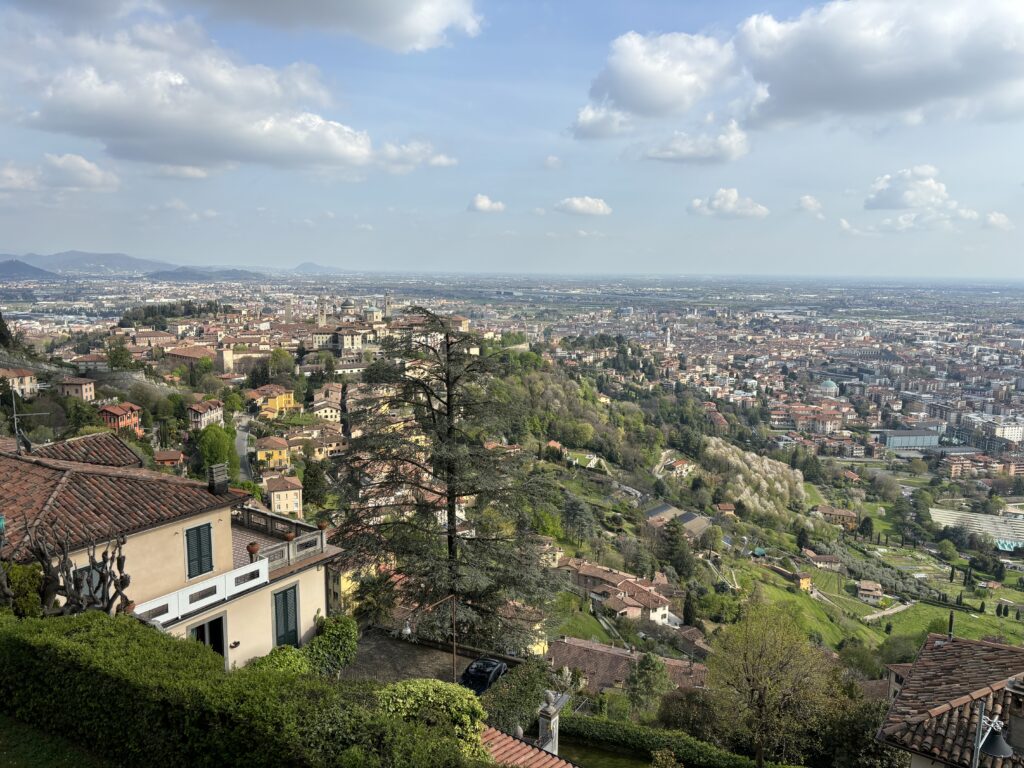
Bergamo, often overshadowed by its more famous neighbors, is a city divided into two parts: the historic Città Alta (Upper Town) and the modern Città Bassa (Lower Town). Upon arrival, I checked into a cozy boutique hotel in Città Bassa, just a short funicular ride away from the medieval charm of Città Alta.

I spent the afternoon wandering through the cobbled streets of the Upper Town, marveling at the well-preserved Venetian walls, a UNESCO World Heritage Site. The Piazza Vecchia, with its Renaissance architecture, was the perfect spot for an espresso while soaking in the lively atmosphere. As the sun set, I indulged in a plate of casoncelli, Bergamo’s signature stuffed pasta, at a traditional trattoria.
Day 2: Exploring Milan – The Fashion Capital

The next morning, I hopped on a train to Milan, just under an hour away. As Italy’s fashion and financial capital, Milan is a city of contrasts, where ancient cathedrals stand beside ultra-modern skyscrapers.

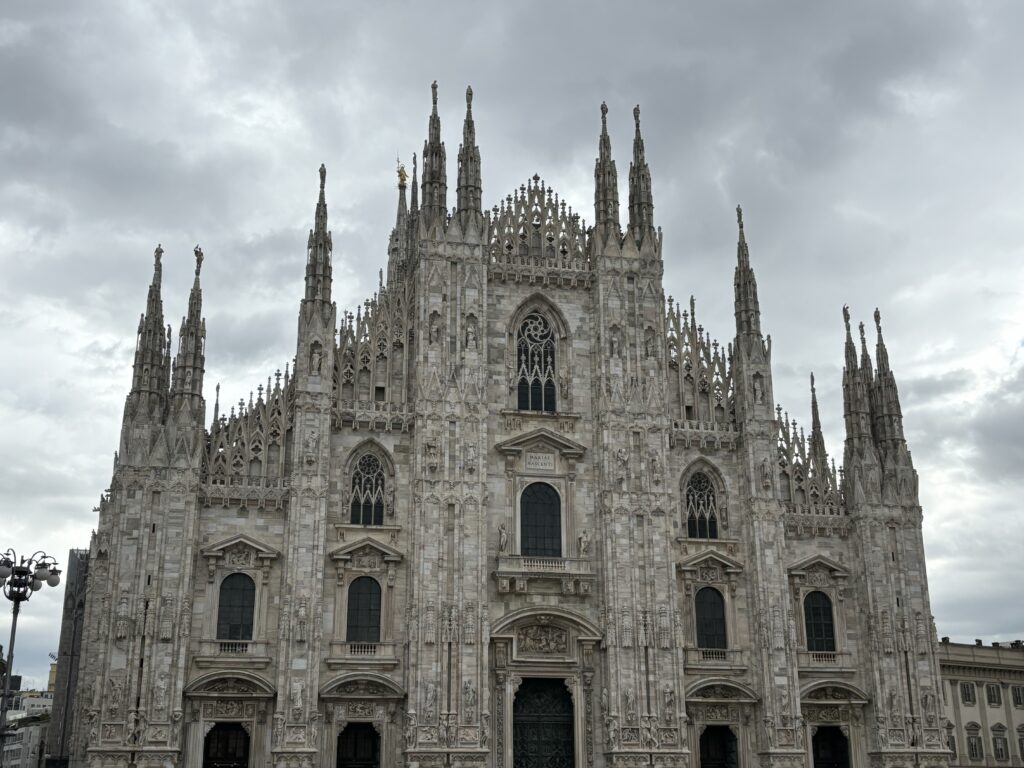
My first stop was the iconic Duomo di Milano, a masterpiece of Gothic architecture. After climbing to the rooftop, I was rewarded with panoramic views of the city. Just a short walk away, the Galleria Vittorio Emanuele II offered a glimpse into Milan’s luxury shopping scene.

No visit to Milan is complete without seeing Leonardo da Vinci’s The Last Supper at the Convent of Santa Maria delle Grazie. It was a surreal experience standing in front of one of the most famous artworks in history.

I wrapped up the day in the Navigli district, known for its picturesque canals and vibrant nightlife. Sipping on an Aperol Spritz by the water, I reflected on Milan’s energetic charm before catching the evening train back to Bergamo.

Day 3: A Scenic Drive to Lake Como

On the third day, I rented a car and set off towards Lake Como, about an hour’s drive from Bergamo. The moment I arrived, I understood why this place has enchanted travelers for centuries. The deep blue waters, encircled by lush mountains and charming villages, created a picture-perfect scene.

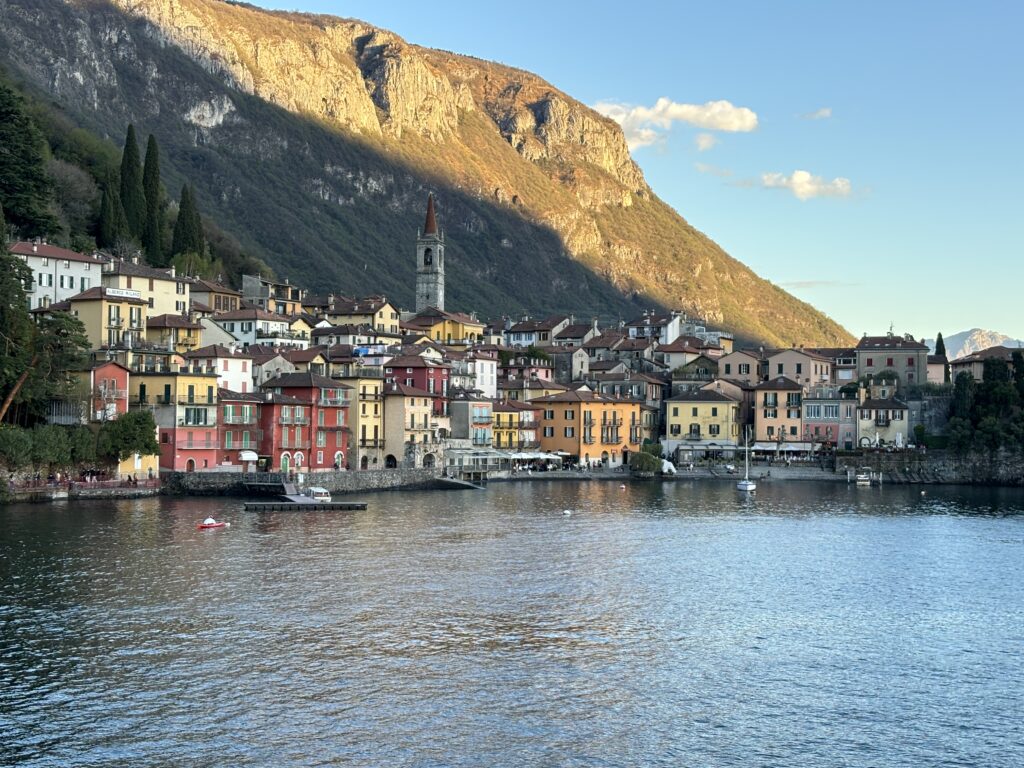
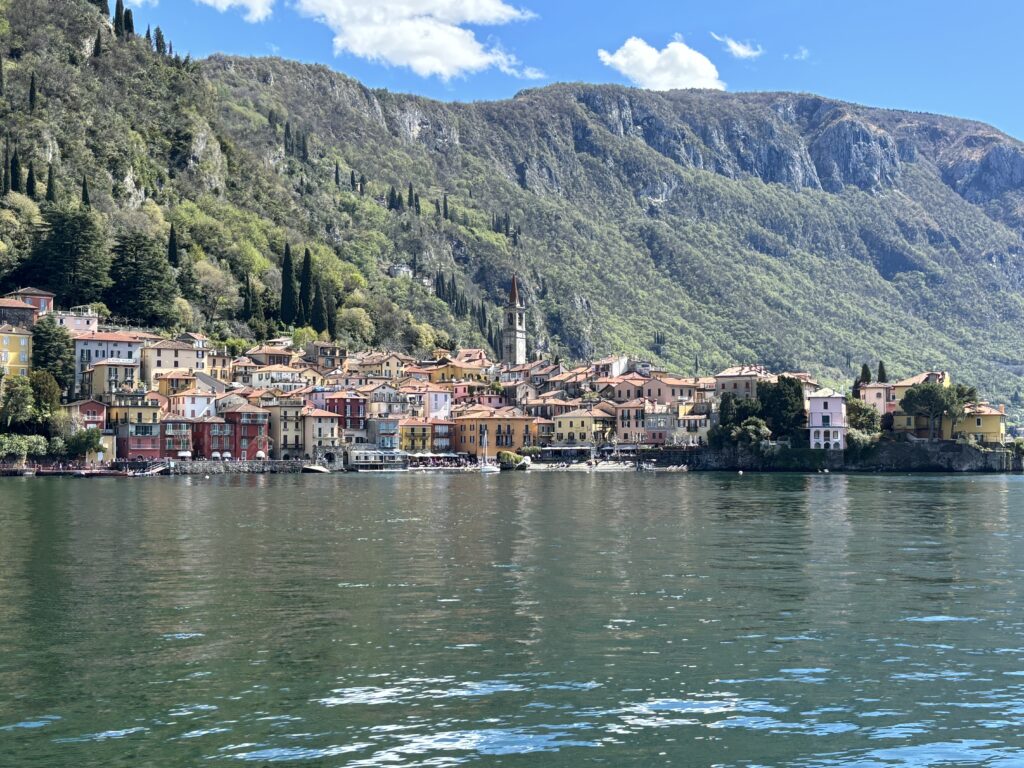
I started my exploration in Varenna, a quaint lakeside village with colorful houses and narrow alleyways. A short ferry ride took me to Bellagio, often called the “Pearl of Lake Como.” Here, I strolled through the elegant gardens of Villa Melzi before enjoying a lakeside lunch of fresh lake fish and risotto.

In the afternoon, I drove to Como town, where I took the funicular to Brunate for a breathtaking view of the lake. As the day ended, I headed back to Bergamo, grateful for the serenity that Lake Como offered.

Day 4: Bergamo’s Surroundings – Wine and Nature

After a packed schedule, I dedicated the fourth day to a slower pace, exploring the countryside around Bergamo. A short drive took me to the Franciacorta wine region, renowned for its sparkling wines. I visited a family-run vineyard where I learned about the traditional méthode champenoise and enjoyed a tasting session overlooking the rolling hills.

In the afternoon, I drove to San Pellegrino Terme, famous for its thermal baths and Art Nouveau architecture. Taking a dip in the thermal waters was the perfect way to unwind and recharge for the final day of my trip.

Day 5: A Farewell to Bergamo

On my last day, I decided to revisit my favorite spots in Bergamo and indulge in some final culinary treats. A morning walk along the Venetian Walls provided one last stunning view of the city and the Alps beyond.

Before heading to the airport, I stopped at a local pasticceria to try polenta e osei, a traditional Bergamo dessert made of sponge cake, chocolate, and hazelnut cream. It was the perfect sweet ending to my Lombardy adventure.

Final Thoughts

Bergamo proved to be the ideal base for exploring Lombardy. With its rich history, strategic location, and delicious cuisine, it offered the perfect blend of relaxation and adventure. Whether you’re drawn to Milan’s cosmopolitan allure, Lake Como’s tranquility, or Bergamo’s medieval charm, Lombardy has something for every traveler.

Would I return? Without a doubt. There’s still so much to explore in this enchanting region, and I can’t wait to uncover more of its hidden treasures.

A Weekend Getaway to Bled and Bohinj: Nature, Adventure, and Serenity

0

As I packed for my weekend getaway to Lake Bled and Lake Bohinj in Slovenia, I felt a mixture of excitement and anticipation. I’d long heard about the fairy-tale setting of Bled, with its picturesque island church and the imposing medieval castle perched on a cliff. Bohinj, on the other hand, was said to be wilder and less touristy, a natural retreat tucked away in the heart of the Julian Alps. The thought of exploring both places in a single weekend made my heart race with joy.

My journey began early on a Saturday morning. Leaving behind the hustle and bustle of everyday life, I boarded a train from Ljubljana, Slovenia’s capital, heading north toward the Gorenjska region. The scenic train ride was an adventure in itself, with views of rolling hills, thick forests, and distant mountain peaks. In just over an hour, I arrived at the enchanting town of Bled, ready to immerse myself in its beauty.

Day 1: Exploring the Magic of Bled

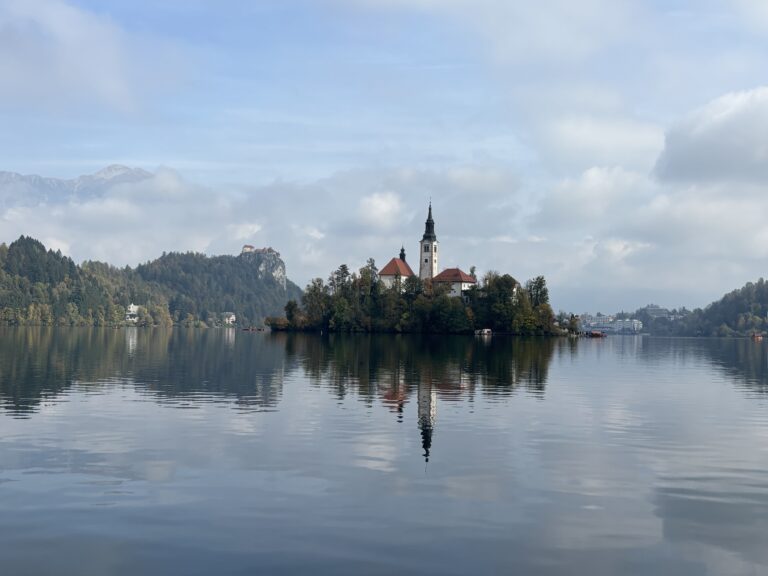
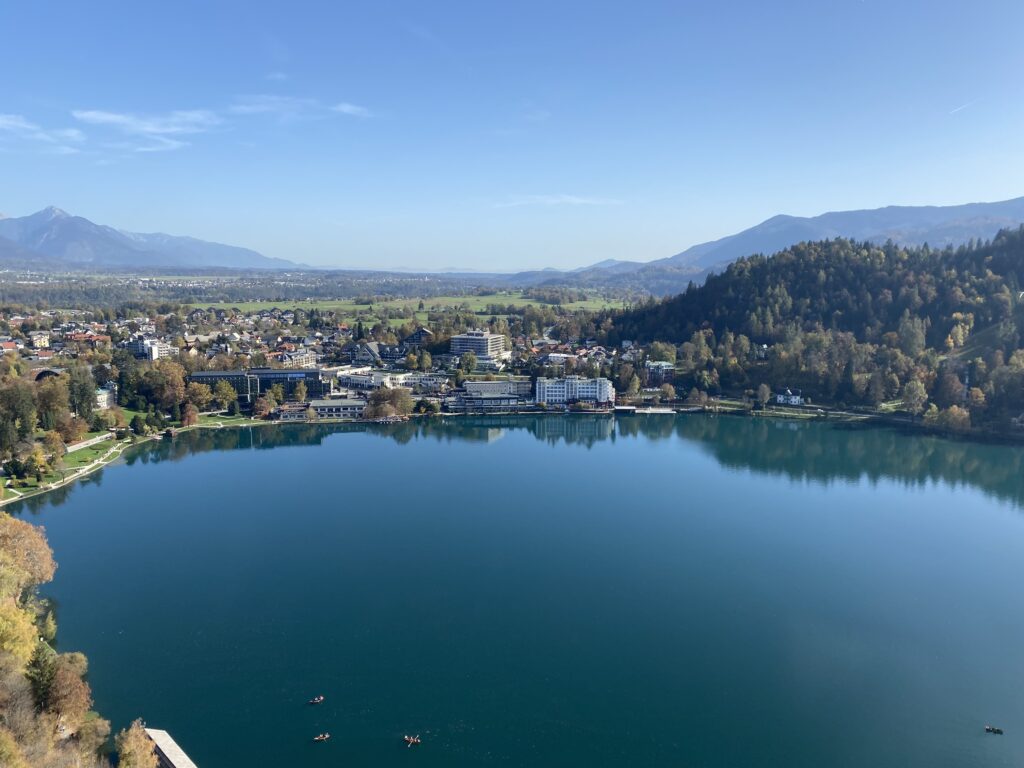
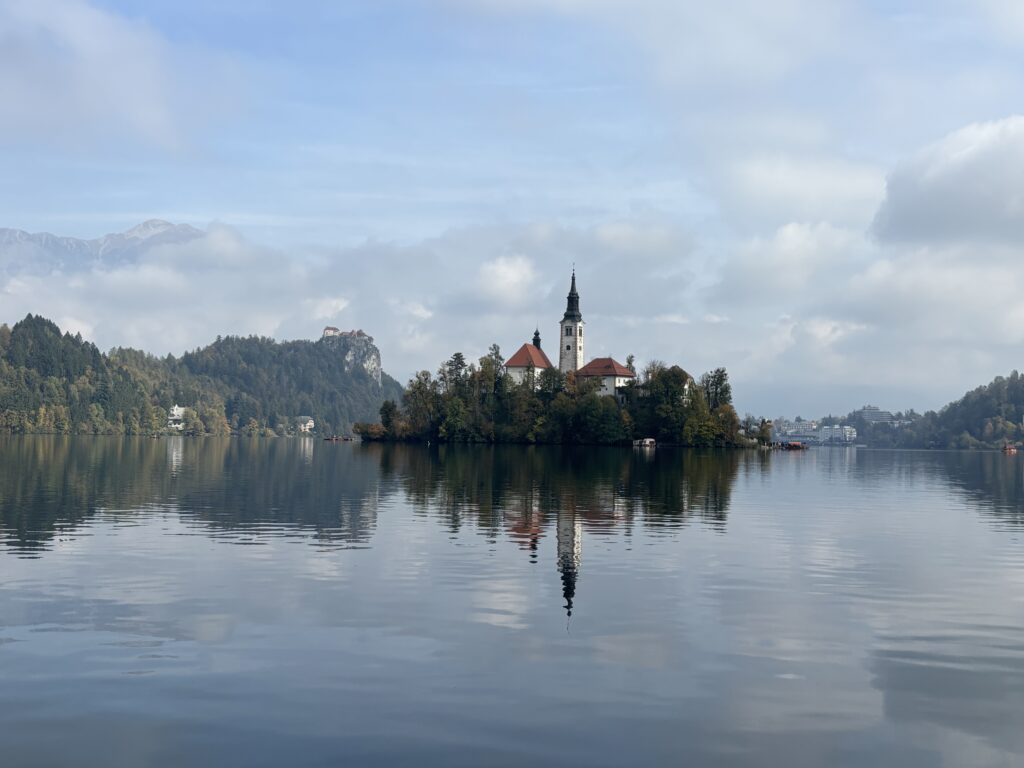
As soon as I stepped off the train, I could feel the crisp mountain air invigorating me. The town of Bled greeted me with its relaxed atmosphere, small cafes, and charming lakeside streets. But the real star of the show was the lake itself. I made my way toward Lake Bled, and as I approached, I saw it: the emerald-green water with Bled Island sitting peacefully in the middle, its iconic church and steeple rising toward the sky.

A Walk Around Lake Bled

I started my exploration by taking a leisurely walk around the lake. The path is about 6 kilometers (3.7 miles) long and offers a variety of viewpoints to admire the lake and the surrounding Julian Alps. It was a serene and peaceful experience, with the sound of water gently lapping against the shore and the sight of swans gliding gracefully across the surface.

Halfway through my walk, I couldn’t resist stopping at one of the lakeside cafes to try Bled’s famous dessert: the kremšnita, or cream cake. With its layers of fluffy cream, rich custard, and flaky pastry, it was the perfect sweet treat to enjoy while overlooking the shimmering lake.

Pletna Boat to Bled Island

No trip to Bled would be complete without a visit to the island. Traditional pletna boats, operated by local boatmen, ferry passengers across the lake to the island. I hopped aboard one of these wooden boats, and as we glided across the water, the view of the island and the surrounding mountains became even more magical.

Once on the island, I climbed the 99 steps to the Church of the Assumption, which is said to bring good luck if you ring the church bell three times and make a wish. Naturally, I gave it a try—because who doesn’t need a little extra luck in life?

Bled Castle: A Journey Through History

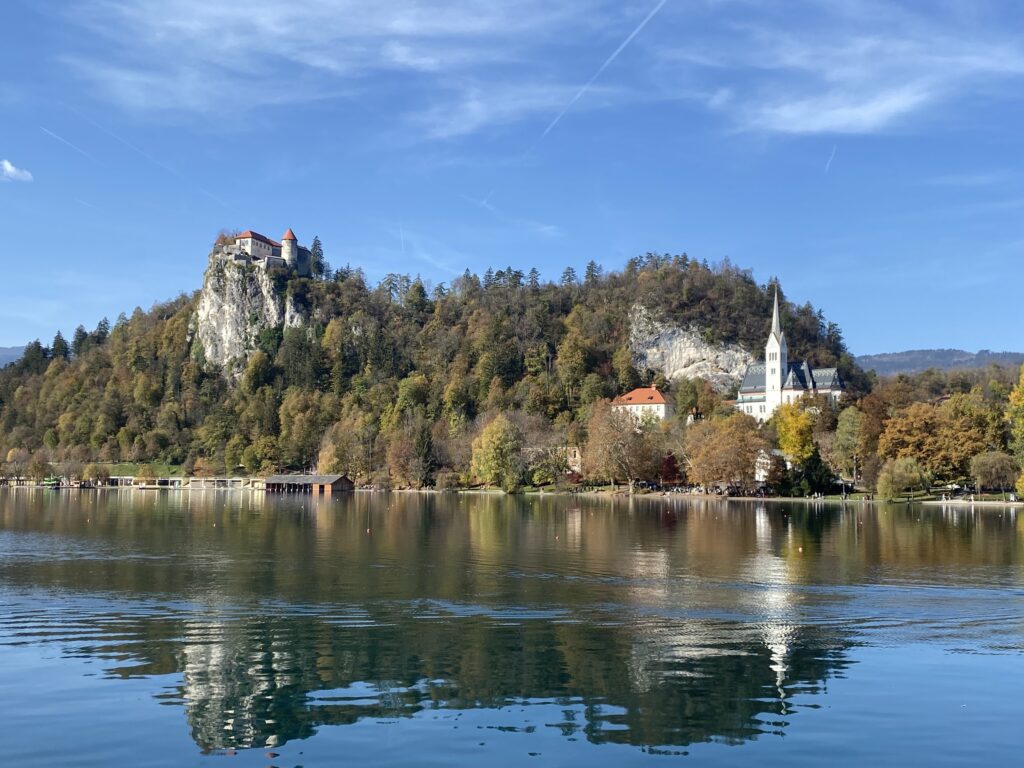
After my boat ride, I headed up to Bled Castle, which is perched high on a cliff overlooking the lake. The hike up was steep but rewarding, offering stunning panoramic views of the lake, island, and distant mountains. The castle itself is a fascinating mix of medieval architecture and history. Inside, there’s a small museum where I learned about the history of the region, as well as a traditional wine cellar where visitors can bottle their own wine.

As the afternoon sun began to cast golden hues across the lake, I found a quiet spot to sit and soak in the view. The stillness and beauty of the moment made me feel as though time had stopped.

Day 2: The Wilderness of Lake Bohinj

On Sunday morning, I woke up early, eager to explore Lake Bohinj. Located just a 30-minute bus ride from Bled, Bohinj is part of Triglav National Park and is known for its untouched natural beauty. As soon as I arrived, I could tell that Bohinj had a different vibe than Bled—more rugged, quieter, and truly off the beaten path.

A Boat Ride Across Lake Bohinj

I started my day with a boat ride across the crystal-clear waters of Lake Bohinj. The boat was small and intimate, with just a handful of other passengers. As we cruised across the lake, I was struck by the tranquility of the surroundings. Towering peaks of the Julian Alps framed the lake, and the water was so clear that I could see fish swimming beneath the surface. It felt like I had stepped into a postcard.

Vogel Cable Car: A View from Above

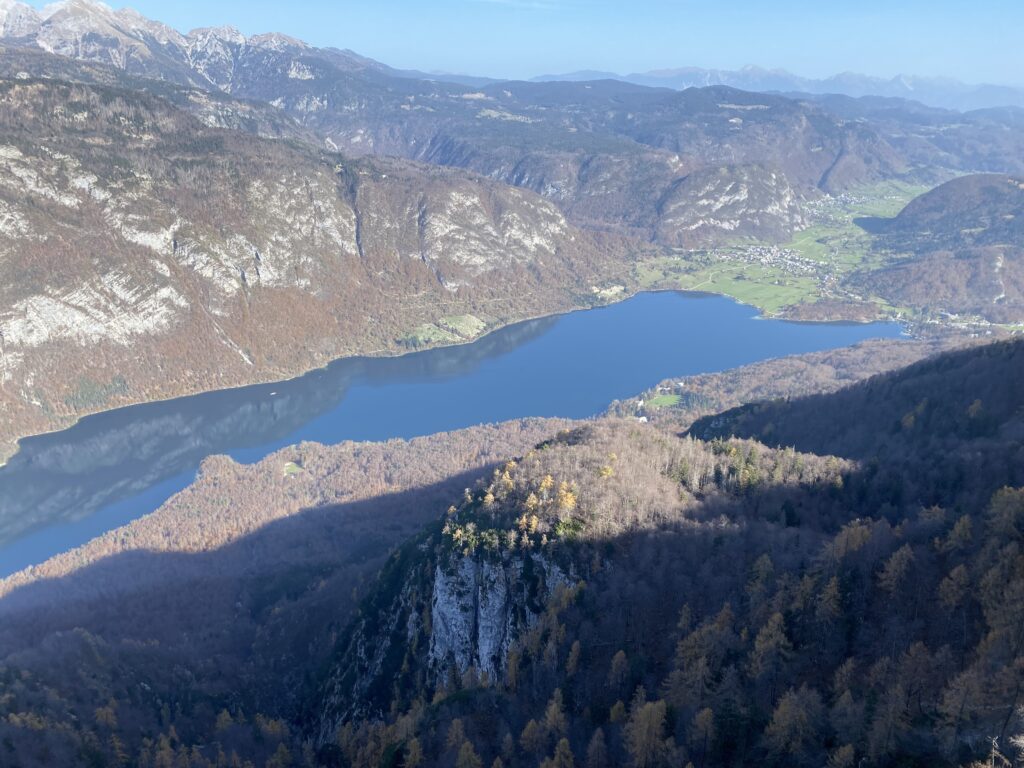
After my peaceful boat ride, I decided to get a different perspective of the lake by taking the Vogel cable car up to the Vogel Ski Resort. As I ascended, the views became more and more spectacular. At the top, I was greeted with panoramic vistas of the Julian Alps, Lake Bohinj, and the expansive Triglav National Park.

Though it was the off-season for skiing, I spent some time hiking along the mountain trails, breathing in the fresh alpine air and marveling at the sheer beauty of the landscape. If you’re into winter sports, I can only imagine how incredible the skiing would be here during the winter months.

Hiking to Savica Waterfall

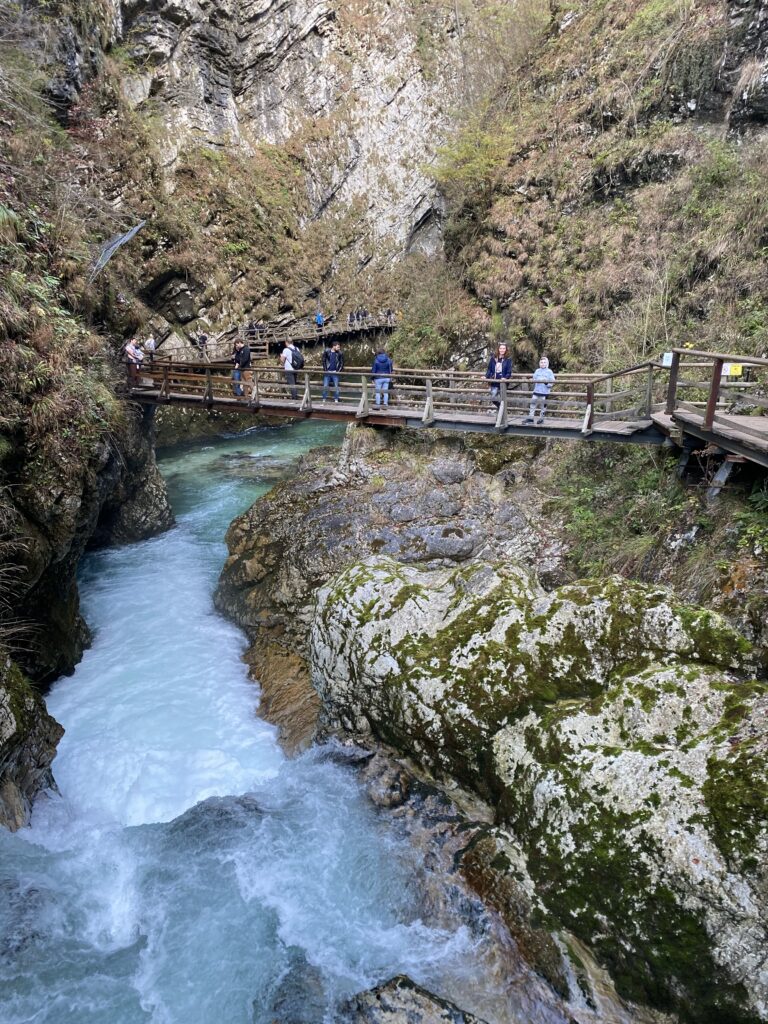
One of the highlights of my time in Bohinj was the hike to Savica Waterfall, one of Slovenia’s most famous natural wonders. The trailhead is located at the far end of the lake, and after a short hike through the forest, I arrived at the falls. The waterfall plunges from a height of 78 meters (256 feet) into a beautiful emerald pool below, and the sound of the rushing water was both soothing and invigorating.

Standing there, surrounded by the lush greenery and the sound of the waterfall, I felt a deep connection to nature. It was the perfect reminder of how rejuvenating time in the wilderness can be.

Relaxing by the Lake

After my hike, I returned to the shores of Lake Bohinj and found a quiet spot to relax. Unlike Lake Bled, Bohinj feels more untouched and wild, with fewer tourists and a more tranquil atmosphere. I spent the afternoon simply sitting by the water, watching kayakers paddle by and listening to the sounds of nature.

As the sun began to set behind the mountains, casting a soft pink glow over the lake, I felt a profound sense of peace. Bohinj’s beauty is subtle but powerful, and it’s the kind of place that stays with you long after you’ve left.

Reflections on My Weekend Escape

As I made my way back to Ljubljana, I couldn’t help but reflect on the incredible experiences I’d had over the weekend. Lake Bled and Lake Bohinj are both stunning in their own ways—Bled, with its storybook charm and more tourist-friendly atmosphere, and Bohinj, with its raw, untouched beauty and serene surroundings.

If you’re looking for a weekend getaway that combines natural beauty, adventure, and a touch of history, Bled and Bohinj are the perfect destinations. From hiking and boating to simply sitting by the water and soaking in the views, there’s something here for every kind of traveler.

For me, this trip was a reminder of how much beauty there is in slowing down and appreciating the world around you. Whether you’re marveling at a centuries-old castle or listening to the sound of a waterfall deep in the forest, both Bled and Bohinj offer experiences that touch the soul and inspire a sense of wonder. I left with memories that will stay with me forever and a longing to return to this magical corner of Slovenia.

10 Useful Tips When Traveling Abroad: Lessons from My Own Adventures

0

Traveling abroad is one of the most enriching and eye-opening experiences you can have. Whether you’re exploring ancient ruins, tasting exotic cuisine, or simply soaking in a new culture, each trip broadens your perspective in unique ways. Over the years, I’ve learned some valuable lessons that have made my travels smoother, safer, and more enjoyable. Here are 10 useful tips from my personal travel adventures that I believe will make a difference in your next international journey.

1. Research and Plan Ahead

Before any trip, I always make sure to research my destination thoroughly. I look into everything from local customs to transportation options and must-see sights. While spontaneity can be exciting, having a rough itinerary helps prevent wasted time and ensures I don’t miss out on key experiences. On my first trip to Japan, for instance, I learned that many tourist attractions close earlier than I expected. Because I had done some research, I was able to adjust my schedule to avoid missing out on some important sites, like the temples of Kyoto.

Having a basic understanding of your destination’s culture can also be crucial. Simple gestures like knowing how to greet someone or understanding tipping etiquette can make a big difference in how you’re perceived by locals.

2. Pack Light, But Pack Smart

It took me a while to master the art of packing light. On my first few trips, I overpacked, hauling around a suitcase filled with things I barely used. Over time, I realized that carrying just the essentials not only made travel easier but also allowed me to be more mobile. A comfortable backpack or a carry-on suitcase has become my go-to for shorter trips.

When it comes to packing smart, I’ve learned to focus on versatile clothing—pieces I can mix and match easily. One thing I always pack is a lightweight, foldable rain jacket. It’s saved me on several occasions, especially in unpredictable weather destinations like Scotland.

3. Make Copies of Important Documents

This tip comes from a near disaster I faced on a trip to South America. I lost my passport while exploring a busy market in Buenos Aires. Luckily, I had made photocopies of my passport and important travel documents. Having those copies, both physical and digital, made the process of getting a replacement much easier.

I now make it a habit to scan important documents like my passport, driver’s license, travel insurance, and itinerary. I store digital copies in my email or a cloud storage service and keep a few physical copies in different parts of my luggage.

4. Get Travel Insurance

This might sound like an extra expense, but after an unexpected illness in Thailand that required a hospital visit, I became a firm believer in travel insurance. I had food poisoning from some street food, and the hospital bill was much higher than I anticipated. Fortunately, my travel insurance covered the costs.

Travel insurance also offers peace of mind in case of trip cancellations, lost luggage, or even emergency evacuations. You never know what might happen, and having that safety net has saved me more than once.

5. Learn Basic Phrases in the Local Language

Even if you don’t become fluent, learning a few basic phrases in the local language can go a long way. Simple greetings like “hello,” “thank you,” and “please” show respect and appreciation for the local culture. When I visited France, making an effort to speak even a little French changed the way locals interacted with me—they were friendlier and more open to helping.

Language barriers can be frustrating, but with apps like Google Translate, it’s easier than ever to communicate in foreign countries. I always make sure to have these tools downloaded before I arrive.

6. Stay Connected with a Local SIM or Wi-Fi Device

On one of my early trips to Europe, I realized how dependent I’d become on my smartphone for directions, restaurant recommendations, and keeping in touch with family. Not having easy access to data was challenging, especially when I got lost in Venice. Now, I either purchase a local SIM card or rent a portable Wi-Fi device for the duration of my trip.

Most airports have kiosks where you can easily buy a SIM card, and many travel-friendly devices offer global Wi-Fi coverage. Staying connected not only helps with navigation but also ensures you can access important travel information on the go.

7. Embrace Public Transportation

I’ve found that using public transportation is not only cost-effective but also an excellent way to experience a city like a local. In cities like London, Tokyo, and Berlin, public transport systems are efficient, affordable, and often faster than taxis or rideshares. Riding the metro or buses also gives you a sense of the city’s pulse and lets you discover off-the-beaten-path areas.

In countries where the transportation system isn’t as straightforward, I make sure to research it ahead of time. Understanding the basics of local transit—like how to buy tickets or which lines to take—can save you from unnecessary confusion.

8. Keep an Open Mind (and Stomach)

Trying new foods has always been one of my favorite aspects of travel. I’ve learned to keep an open mind, even when presented with dishes that seem foreign or unusual. I’ll admit, I was hesitant at first to try deep-fried tarantulas in Cambodia, but after taking the plunge, I found it wasn’t half bad! The experience made me realize that stepping out of my culinary comfort zone often leads to the most memorable meals.

In addition to trying local cuisine, I’ve learned that being open to different customs and traditions helps enrich the travel experience. Whether it’s attending a cultural festival, partaking in local customs, or simply observing how people live their day-to-day lives, keeping an open mind allows me to truly appreciate the diversity of the places I visit.

9. Be Aware of Your Surroundings

While I’ve generally had positive experiences abroad, there have been a few times when I found myself in situations that could have gone wrong. Staying aware of my surroundings has helped me avoid unnecessary trouble, especially in busy or unfamiliar areas. On a trip to Rome, I narrowly avoided being pickpocketed thanks to keeping my belongings close and remaining alert in crowded tourist areas.

I always carry a secure bag that zips fully and wear it across my body, keeping it in front of me. When out and about, I try to blend in with locals, avoid drawing unnecessary attention to myself, and be cautious without being paranoid.

10. Don’t Overplan—Leave Room for Spontaneity

As much as I love having a plan, I’ve learned that some of the best travel experiences come from unplanned moments. While in Spain, I met a group of fellow travelers who invited me to a local festival I hadn’t heard of. Initially, I hesitated because it wasn’t part of my itinerary, but I decided to go—and it ended up being the highlight of my trip.

Leaving room for spontaneity allows you to go with the flow and experience unexpected adventures. Whether it’s a detour to a hidden gem or a chance encounter with new friends, embracing the unplanned can make your travels all the more rewarding.

Conclusion: Enjoy the Journey

Traveling abroad is filled with new experiences, challenges, and learning opportunities. Over the years, I’ve discovered that preparation, flexibility, and an open heart are key to making the most of any trip. By researching your destination, packing smart, and staying open to the unexpected, you can navigate the ups and downs of travel with ease.

Whether it’s making copies of your passport or trying a dish that’s completely out of your comfort zone, these lessons have helped me become a more confident and mindful traveler. As you embark on your own journeys, remember that each trip is a chance to grow, learn, and create lasting memories. Safe travels!

Exploring the Best Beaches of Sardinia: Sun, Sand, and Serenity

The first time I set foot on Sardinia, I was struck by the island’s raw beauty and its promise of serene, sun-soaked days. Renowned for its stunning coastline, Sardinia boasts some of the most breathtaking beaches in the Mediterranean. Over the course of my visit, I embarked on a journey to discover the best beaches the island had to offer, and each one left an indelible mark on my soul.

My adventure began in the northeastern part of the island, in the famous Costa Smeralda. Known for its glamorous resorts and crystal-clear waters, it’s a place where the rich and famous come to play, but I was more interested in its natural beauty than its celebrity status.

Spiaggia del Principe

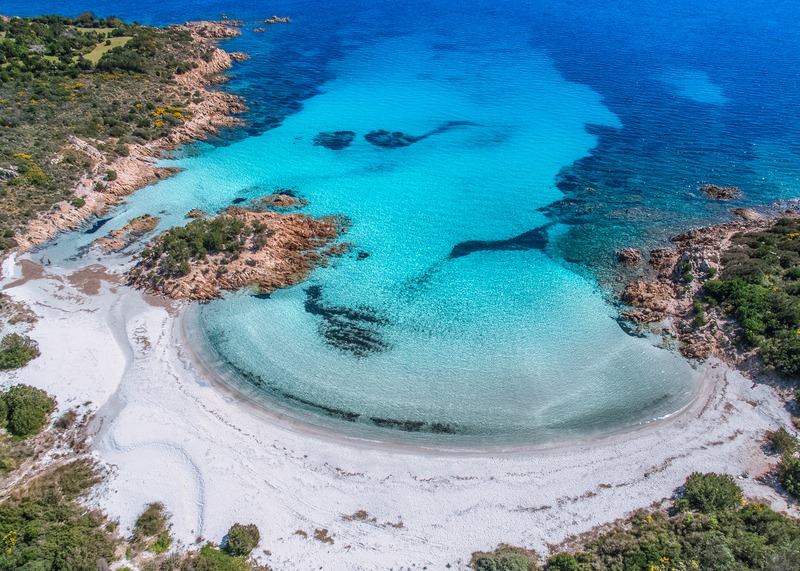
My first stop was Spiaggia del Principe, a beach that is often touted as one of the most beautiful in Sardinia. The journey to this secluded paradise involved a short hike through the Mediterranean scrub, but as soon as I laid eyes on the beach, I knew it was worth every step. The sand was soft and golden, the water a gradient of turquoise and deep blue. I spent hours floating in the gentle waves, the sun warming my face, feeling utterly at peace.

Cala Brandinchi

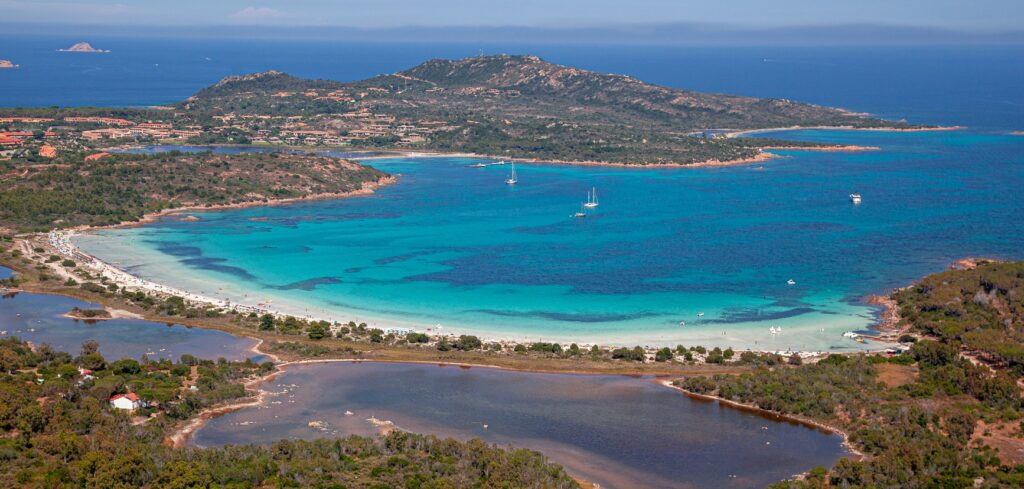
Next on my list was Cala Brandinchi, also known as “Little Tahiti” because of its resemblance to the famous Polynesian island. The beach was expansive, with shallow waters extending far into the sea, making it perfect for a leisurely swim. I rented a paddleboard and glided across the tranquil waters, marveling at the clarity below. Fish darted around the seagrass, and the distant mountains provided a stunning backdrop.

La Pelosa Beach

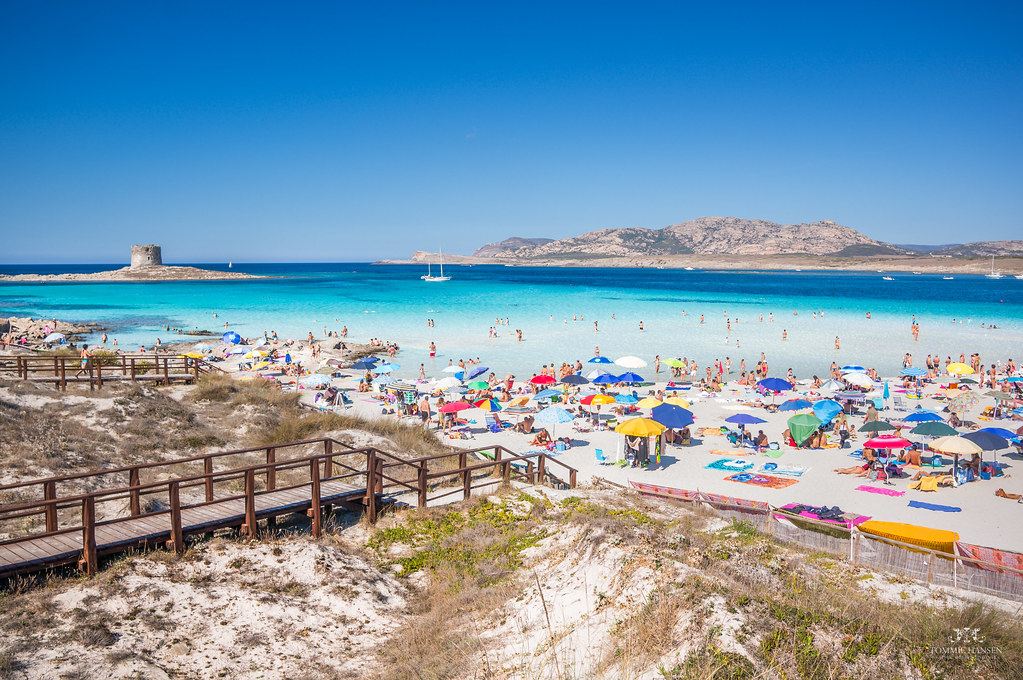
Image by Tommie Hansen

After exploring the northeastern gems, I made my way to the northwestern tip of the island to visit La Pelosa Beach. Famous for its impossibly clear waters and fine white sand, La Pelosa felt like stepping into a postcard. The shallow waters stretched out far into the bay, creating a vast, natural swimming pool. I spent the day lounging under an umbrella, reading a book, and occasionally taking a dip to cool off. The ancient watchtower, Torre della Pelosa, added a touch of history to the idyllic scene.

Cala Luna

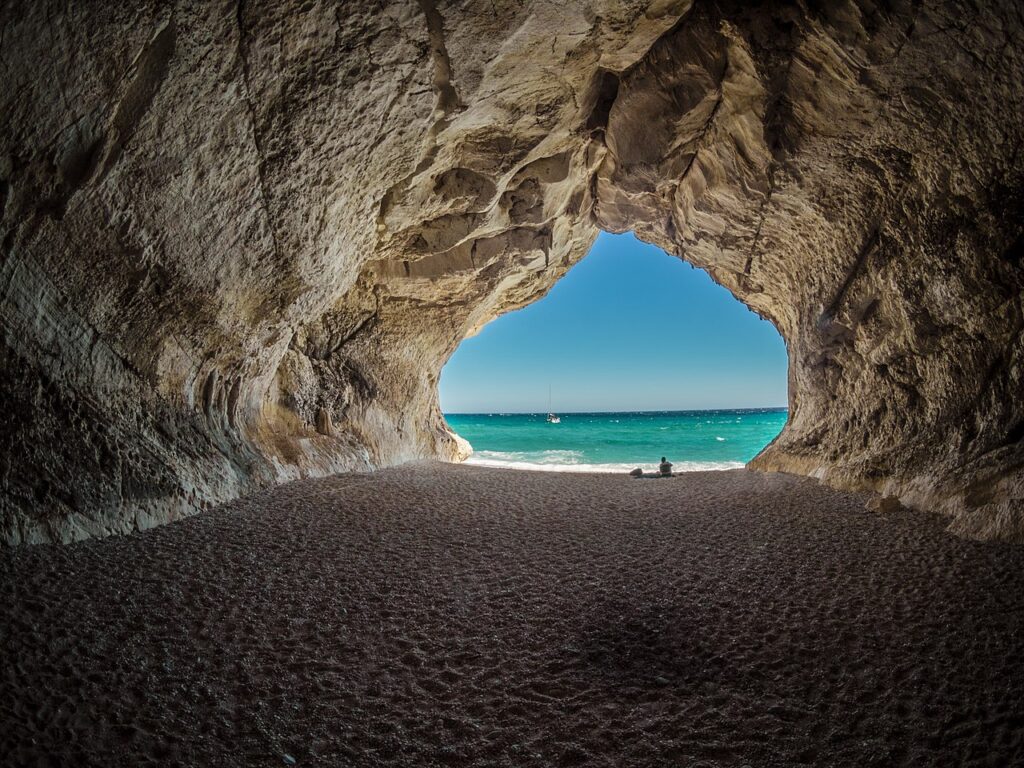
Alexander Fradellafra, CC0, via Wikimedia Commons

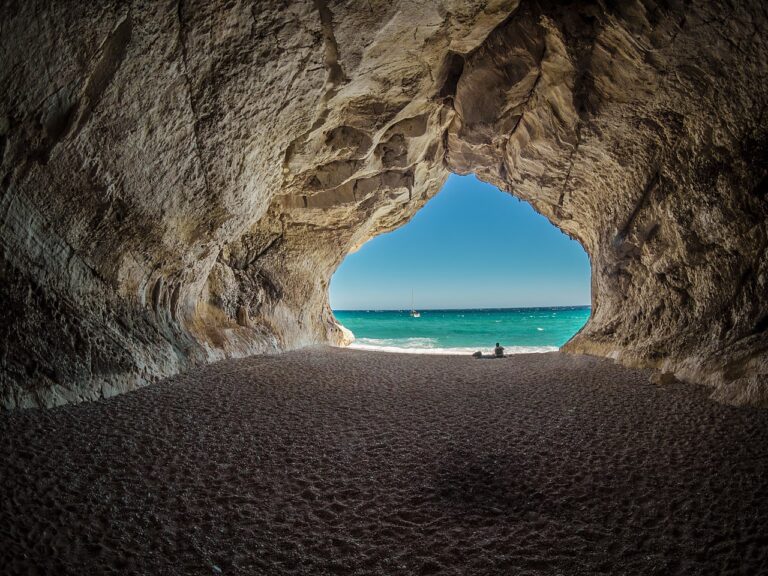
Eager to see more, I traveled down the eastern coast to the Gulf of Orosei, home to some of Sardinia’s most dramatic and secluded beaches. Cala Luna was a particular highlight. Accessible only by boat or a challenging hike, it felt like a hidden paradise. I opted for a boat ride from the town of Cala Gonone, enjoying the stunning coastal views along the way. As we approached Cala Luna, I was struck by the beach’s sheer cliffs and caves. The contrast between the rugged landscape and the pristine beach was mesmerizing. I spent the afternoon exploring the caves and snorkeling in the clear, blue waters.

Cala Mariolu

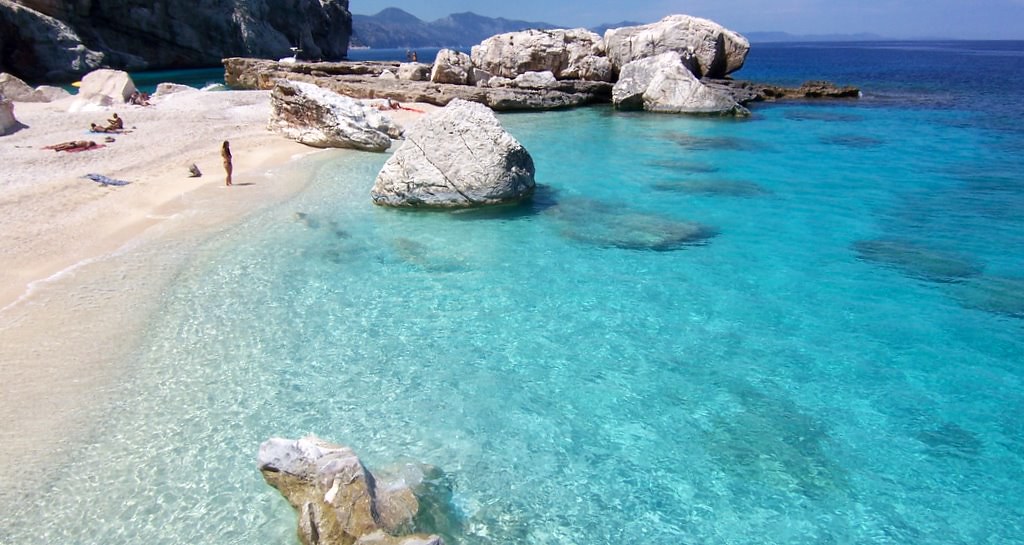
Image by Roberto Cossu

Continuing my exploration of the Gulf of Orosei, I couldn’t miss Cala Mariolu. Known for its white pebbles and strikingly clear waters, it’s often described as one of the most beautiful beaches in the world. The journey there was an adventure in itself, involving a boat ride and a bit of rock scrambling. The effort was well rewarded by the sight of the beach, which was framed by towering cliffs and dotted with large boulders. I spent the day diving off the rocks, snorkeling, and simply soaking in the natural beauty around me.

Chia Beach

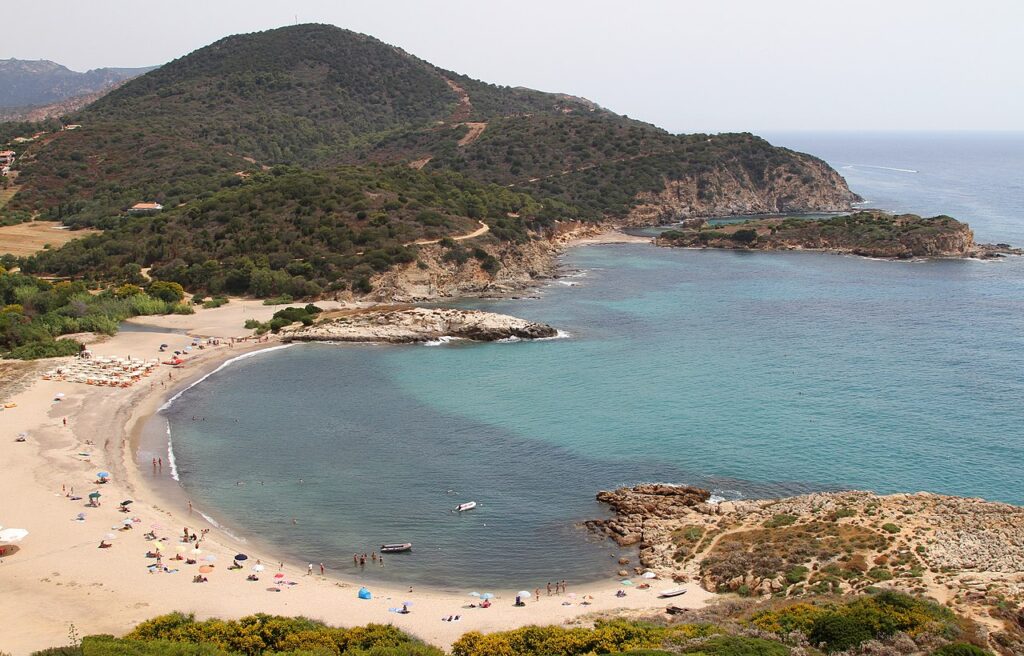
Carlo Pelagalli, CC BY-SA 3.0 https://creativecommons.org/licenses/by-sa/3.0, via Wikimedia Commons

After my adventures in the east, I headed to the southern part of Sardinia to visit Chia Beach. Known for its golden dunes and flamingo-filled lagoons, Chia offered a different kind of beauty. The beach was wide and sandy, with warm, shallow waters perfect for swimming. I took a long walk along the shoreline, the sand between my toes and the sound of waves crashing in my ears. The sight of pink flamingos wading in the nearby lagoon added a touch of magic to the experience.

Tuerredda Beach

ilaria, CC BY 2.0 https://creativecommons.org/licenses/by/2.0, via Wikimedia Commons

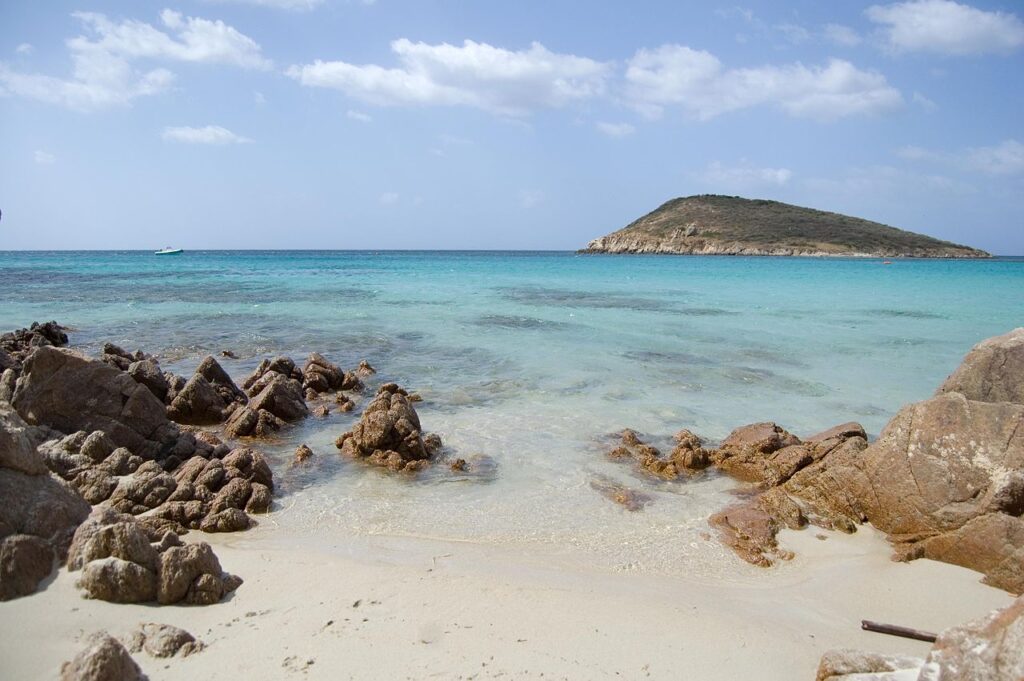
Not far from Chia, Tuerredda Beach was my next destination. Often compared to Caribbean beaches, Tuerredda is famous for its azure waters and picturesque setting. The beach is nestled between two headlands, creating a sheltered bay with calm, warm waters. I spent the day lounging on the soft sand, swimming, and kayaking around the small island just offshore. The tranquility of Tuerredda was a perfect way to unwind and reflect on my journey so far.

Porto Giunco

dronepicr, CC BY 2.0 https://creativecommons.org/licenses/by/2.0, via Wikimedia Commons

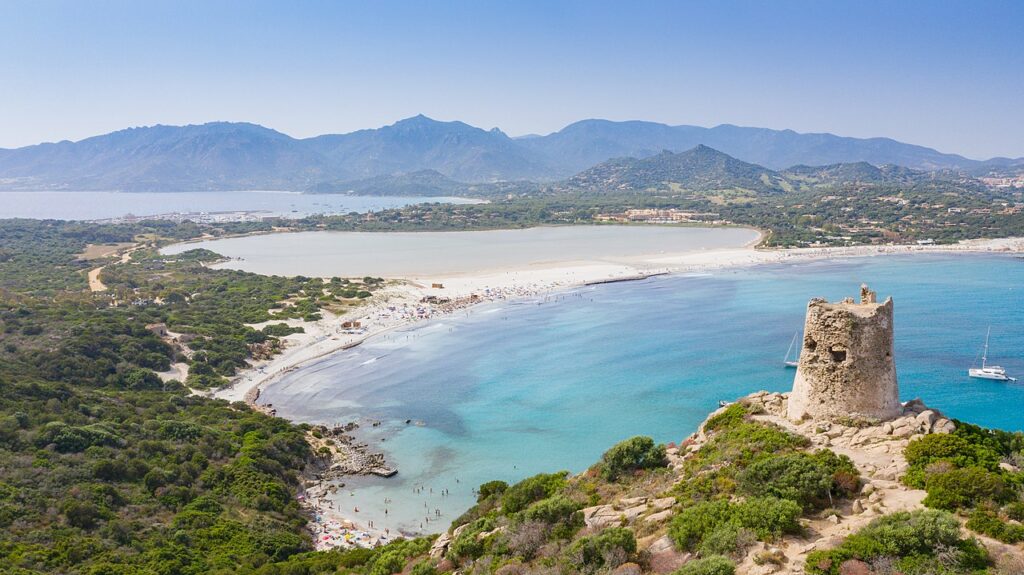
My final stop was in the southeastern part of the island, at Porto Giunco. This beach is famous for its strikingly blue waters and the scenic backdrop of the Notteri lagoon, where more flamingos can be seen. The fine, white sand and shallow waters made it ideal for swimming and sunbathing. I climbed the nearby hill to the old Spanish tower for a panoramic view of the beach and lagoon, a sight that truly took my breath away.

As my journey across Sardinia came to an end, I felt a deep sense of contentment. Each beach I visited had its unique charm, from the glamorous shores of Costa Smeralda to the rugged beauty of the Gulf of Orosei and the serene sands of the south. Sardinia’s beaches are more than just beautiful landscapes; they are places where nature’s artistry is on full display, offering a perfect blend of relaxation, adventure, and breathtaking beauty. My time on this enchanting island was a reminder of the simple pleasures of life: the warmth of the sun, the sound of the waves, and the joy of discovering new horizons.

Waltzing Through Vienna: Embracing History, Culture, and Charm

The first time I set foot in Vienna, I was immediately captivated by the city’s timeless elegance and vibrant culture. Known as the city of music, art, and imperial history, Vienna offers a rich tapestry of experiences that beckon travelers from all over the world. My journey through Vienna was a blend of historical exploration, cultural immersion, and delightful indulgence.

Arrival in the Imperial City

As my plane descended over Vienna, I could see the sprawling beauty of the city below. Upon landing, I took a quick ride on the efficient City Airport Train (CAT) that whisked me into the heart of Vienna in just 16 minutes. The ease of transportation set the tone for the rest of my visit; Vienna’s public transport is both convenient and punctual.

My hotel was located near the Ringstrasse, a grand boulevard encircling the inner city. The Ringstrasse itself is an open-air museum, lined with majestic buildings such as the State Opera House, the Parliament, and the Museum of Art History. I decided to start my adventure by exploring this historic ring road on foot.

A Day of History and Art

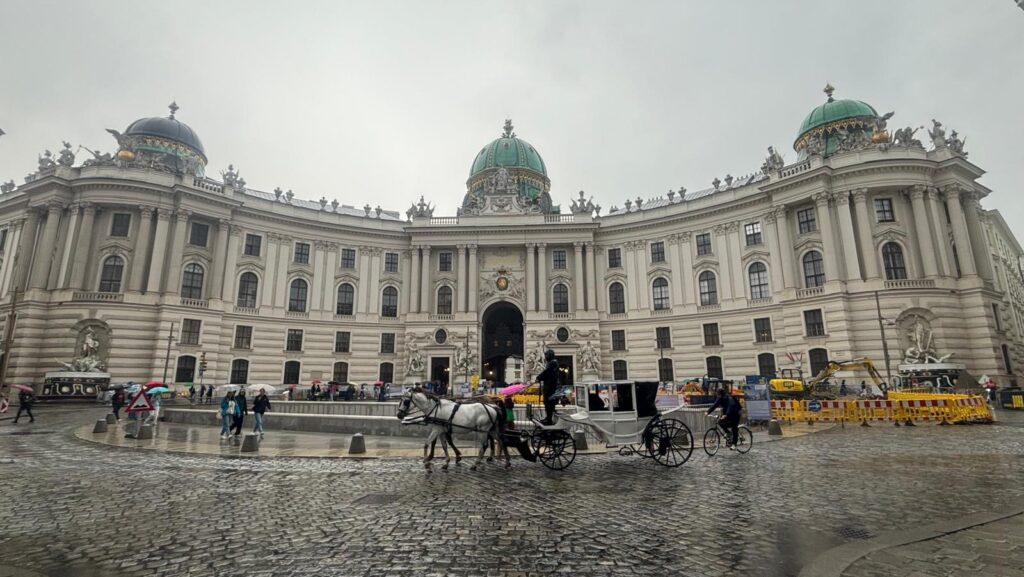
My first stop was the Hofburg Palace, the former imperial residence of the Habsburg dynasty. Walking through the palace grounds, I felt like I was stepping back in time. The grand architecture and opulent interiors of the Imperial Apartments provided a glimpse into the lives of Austria’s rulers. The Sisi Museum, dedicated to the beloved Empress Elisabeth, offered a fascinating look at her life and the myths surrounding her.

Sissy Museum in Vienna

From the Hofburg, I made my way to the nearby Albertina Museum. Housing one of the most important print rooms in the world, the Albertina boasts works by artists such as Dürer, Michelangelo, and Picasso. The current exhibition featured a retrospective of Monet, and I spent hours mesmerized by the masterful strokes and vibrant colors of his paintings.

Culinary Delights in Vienna

A pure delight

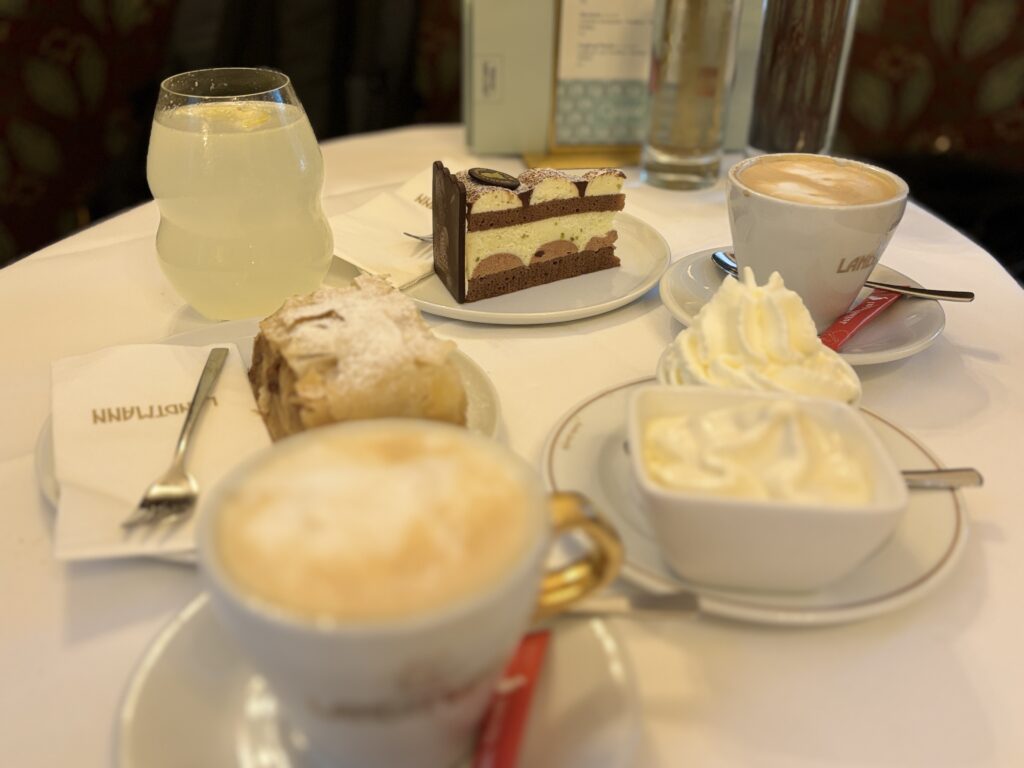
After a morning of historical and artistic immersion, it was time to indulge in Vienna’s culinary delights. I headed to Café Central, a legendary coffeehouse that has been a meeting place for intellectuals and artists since the 19th century. The café’s grand interior, with its high vaulted ceilings and marble columns, exuded an old-world charm. I savored a traditional Viennese coffee and a slice of Sachertorte, a rich chocolate cake that is a staple of Viennese cuisine.

In the afternoon, I ventured to the Naschmarkt, Vienna’s most famous market. The market, which stretches for over a kilometer, is a sensory delight with its vibrant stalls selling fresh produce, spices, cheeses, and international delicacies. I wandered through the market, sampling olives, cheese, and cured meats, and ended up at a small Turkish stall where I enjoyed a delicious plate of falafel and hummus.

Music and the Arts

Image by Peter Siroki

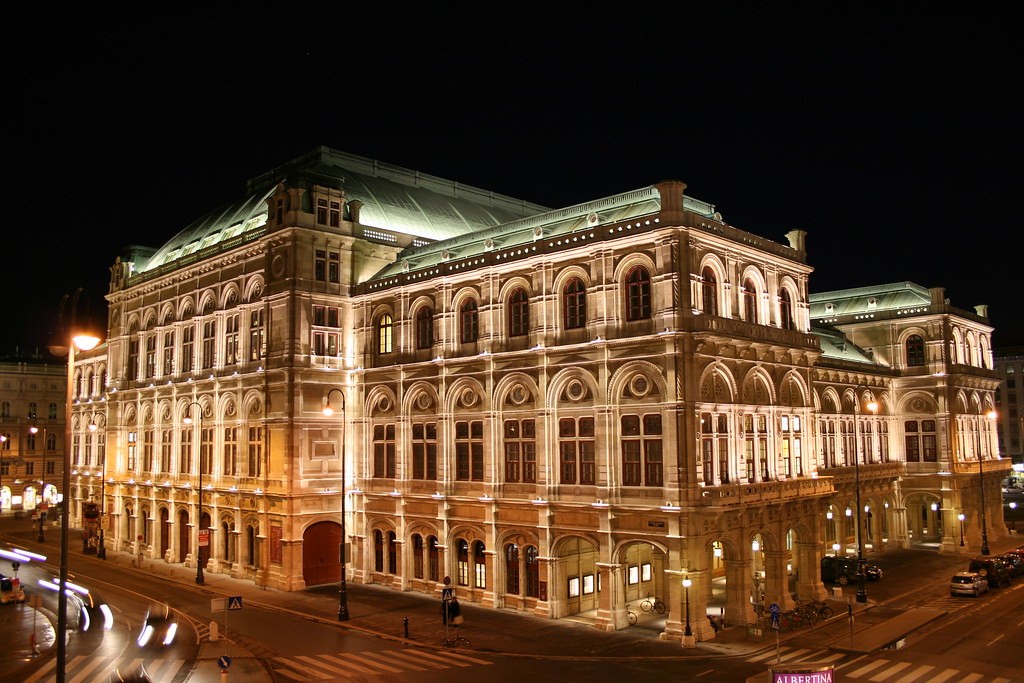
Vienna’s reputation as the city of music is well deserved, and no visit would be complete without experiencing its musical heritage. That evening, I attended a performance at the Vienna State Opera. The magnificent opera house, with its grand staircase and ornate interiors, set the stage for an unforgettable experience. I was fortunate to see a production of Mozart’s “The Magic Flute,” and the performance was nothing short of magical.

The following day, I visited the House of Music, an interactive museum dedicated to the city’s musical legacy. The museum’s exhibits allowed me to explore the world of sound and music through innovative displays and interactive installations. I particularly enjoyed the section dedicated to the great composers who lived and worked in Vienna, such as Beethoven, Mozart, and Strauss.

St. Stephen’s Cathedral and the Historic Center

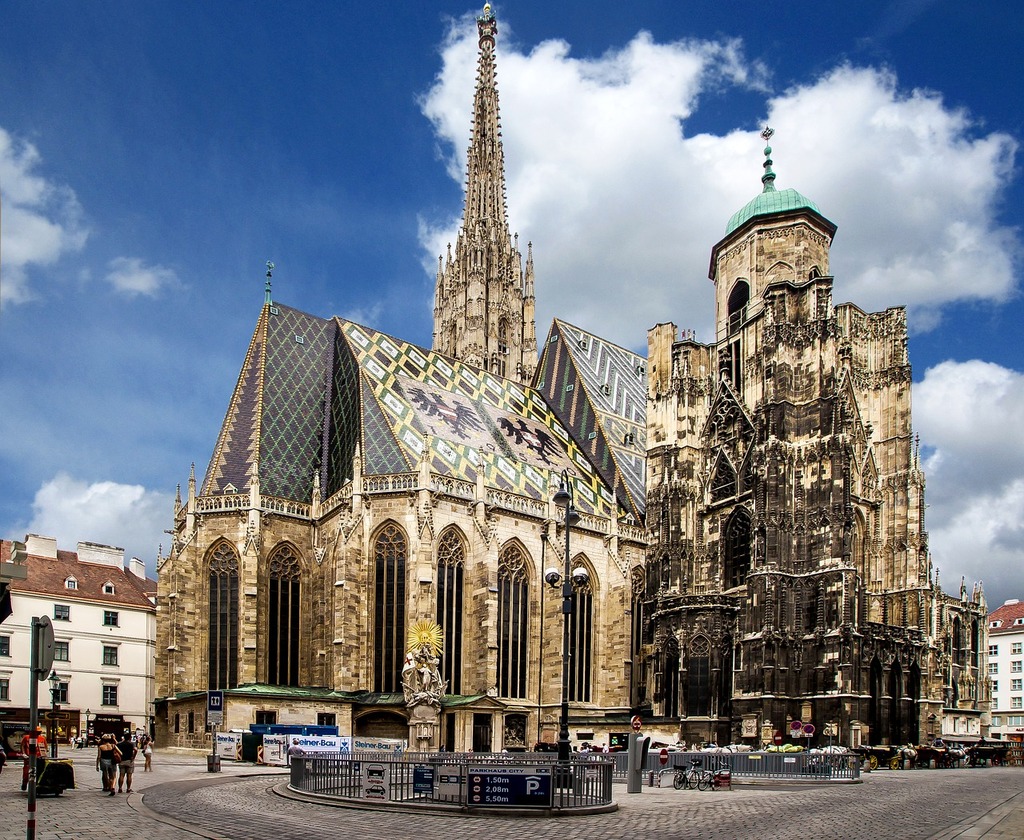
St. Stephen’s Cathedral, with its striking Gothic architecture and iconic multi-colored tiled roof, is a symbol of Vienna. I climbed the 343 steps to the top of the South Tower for a panoramic view of the city. The climb was steep, but the breathtaking view of Vienna’s skyline was worth every step.

Exploring the historic center of Vienna, a UNESCO World Heritage site, I was enchanted by the mix of medieval and baroque architecture. I wandered through narrow cobblestone streets, discovering hidden courtyards and charming shops. The Graben, a bustling street lined with elegant buildings and shops, led me to the Plague Column, a striking monument commemorating the end of the plague in 1679.

A Day at Schönbrunn Palace

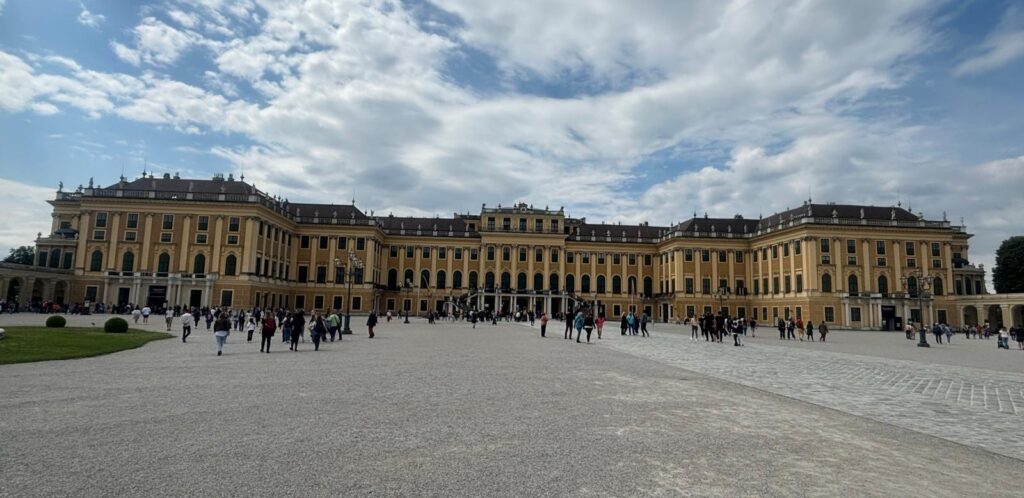
One of the highlights of my trip was visiting Schönbrunn Palace, the summer residence of the Habsburgs. The palace, with its stunning rococo architecture and vast gardens, is a testament to the grandeur of the Habsburg dynasty. I took a guided tour of the State Rooms, marveling at the opulent décor and learning about the history of the palace and its inhabitants.

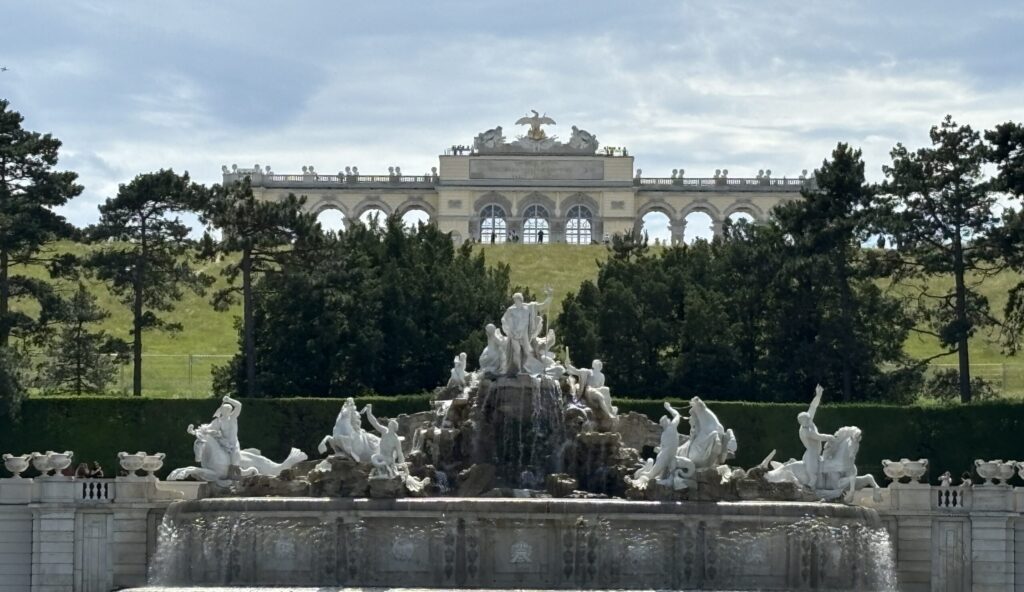
The gardens of Schönbrunn are equally impressive, with their beautifully manicured lawns, fountains, and statues. I spent a leisurely afternoon exploring the grounds, visiting the Gloriette, and enjoying the panoramic view of the palace and the city beyond. The palace’s zoo, the oldest in the world, was a delightful surprise, offering a chance to see a wide variety of animals in a historic setting.

Vienna’s Contemporary Side

While Vienna is steeped in history, it also has a vibrant contemporary side. I visited the MuseumsQuartier, a cultural complex housed in the former imperial stables. The complex is home to several museums and galleries, including the Leopold Museum and the Museum of Modern Art (MUMOK). I was particularly taken with the contemporary art exhibitions at MUMOK, which offered a thought-provoking contrast to the classical art I had seen earlier.

In the evening, I explored the trendy district of Neubau, known for its creative vibe and eclectic mix of shops, bars, and restaurants. I dined at a modern Austrian restaurant, where traditional dishes were given a contemporary twist. The meal was a perfect blend of flavors and textures, showcasing the innovation and creativity of Vienna’s culinary scene.

Farewell to Vienna

As my time in Vienna came to an end, I reflected on the many experiences that had made my visit so memorable. From the grandeur of the Hofburg and Schönbrunn to the vibrant energy of the Naschmarkt and MuseumsQuartier, Vienna is a city that seamlessly blends its rich history with a dynamic present.

On my last morning, I took a leisurely walk along the Danube Canal, enjoying the street art and the relaxed atmosphere. I stopped at a riverside café for one last coffee, savoring the moment and the view of the city that had captured my heart.

Vienna is a city of contrasts, where imperial splendor meets contemporary creativity, and where every corner holds a story waiting to be discovered. As I boarded my plane, I knew that this was just the beginning of my love affair with Vienna. I left with a promise to return, to waltz once more through its streets, and to uncover even more of its timeless charm.

The Enchanted Citadel: Unveiling the Secrets of Machu Picchu

0

Once upon a time, nestled high in the Andes Mountains, there lay an ancient citadel shrouded in mystery and surrounded by an aura of enchantment. This mystical place, known as Machu Picchu, stood as a testament to the ingenuity and architectural prowess of an ancient civilization that had long faded into the annals of history.

As the sun cast its first golden rays upon the jagged peaks of the Andes, Machu Picchu emerged from the morning mist like a forgotten dream. The air was crisp, and the towering stone structures seemed to reach for the heavens, their ancient stones echoing the whispers of a bygone era.

The Legend

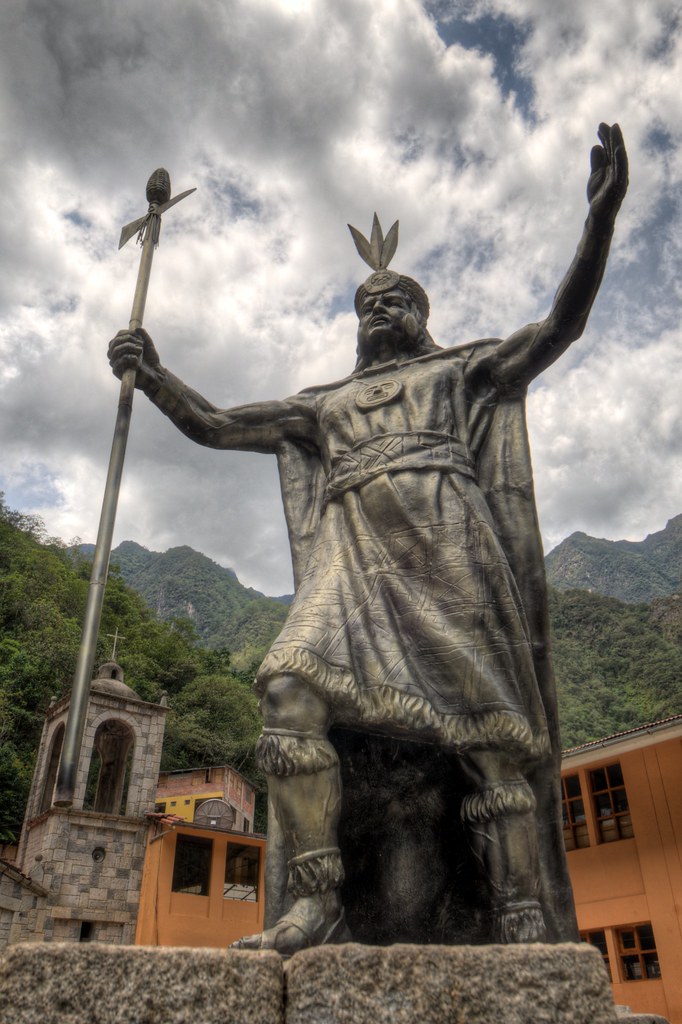
Legend had it that Machu Picchu was the sacred retreat of the Inca emperor Pachacuti, built in the 15th century as a testament to the might and grandeur of the Inca Empire. However, as the years passed, the citadel was abandoned and swallowed by the thick vegetation of the Amazon rainforest, only to be rediscovered centuries later by the intrepid explorer Hiram Bingham.

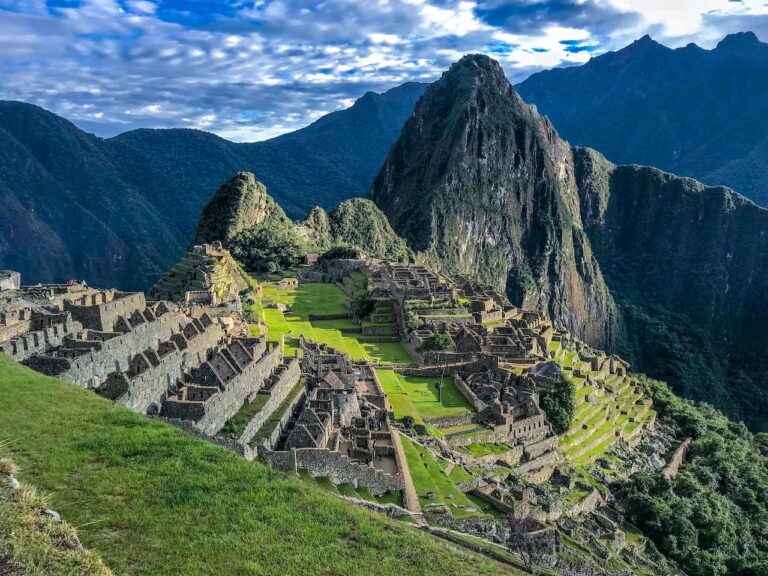
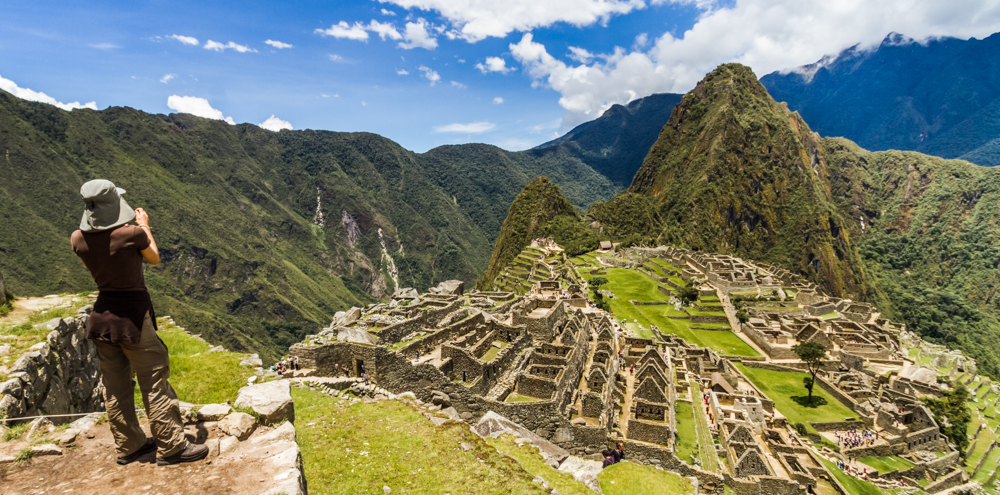
As I stood at the entrance, a sense of reverence and awe washed over me. The stone terraces cascaded down the mountainside, embracing the natural contours of the land. Each step I took resonated with the footsteps of ancient inhabitants, as if the spirits of the past were guiding me through their once vibrant city.

The Temple of Sun

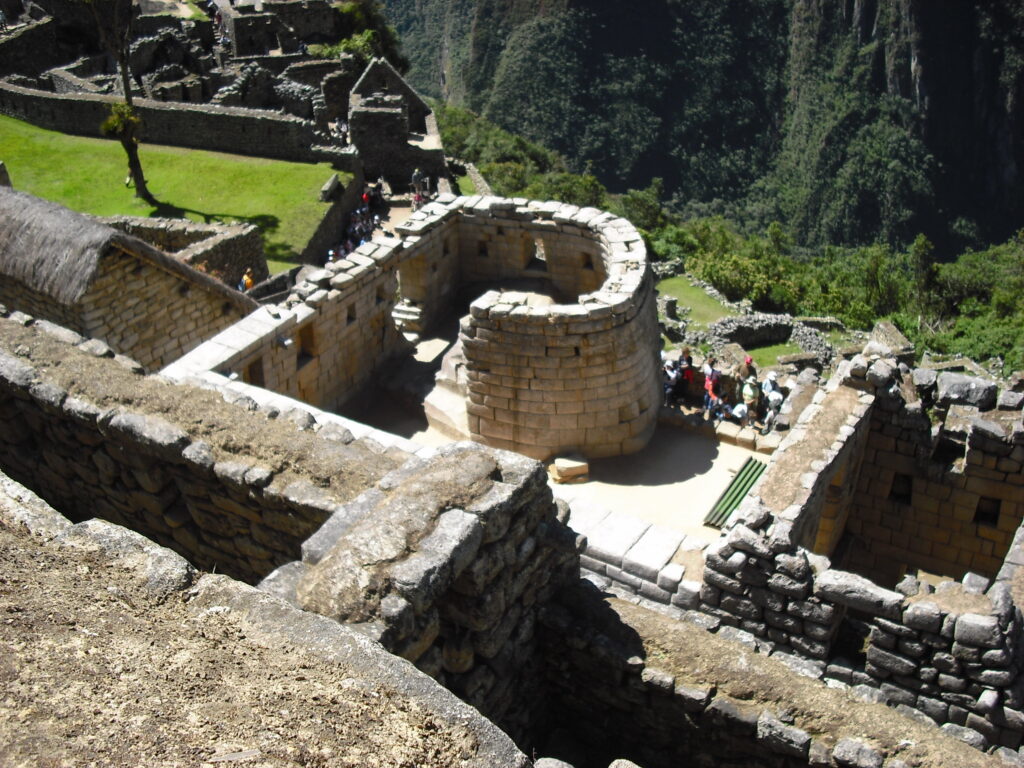
The Temple of the Sun, with its finely crafted stonework and astronomical precision, captivated my imagination. I could almost feel the energy of the sun god Inti, whose presence was said to bless the city with prosperity and protection. The Temple of the Three Windows stood nearby, its trapezoidal openings framing the breathtaking landscape like portals to another realm.

As I ventured deeper into the heart of Machu Picchu, the Intihuatana stone beckoned me. This mystical monolith, often referred to as the “Hitching Post of the Sun,” stood as a spiritual anchor connecting the earthly realm with the celestial heavens. The Inca believed that the Intihuatana held the power to harness cosmic energy, ensuring the harmony of their world.

Temple of Sun

Guided by an experienced local storyteller, I learned that Machu Picchu was not merely a collection of stone structures but a living testament to the sacred relationship between the Inca people and their natural surroundings. The agricultural terraces, ingeniously designed to adapt to the steep terrain, showcased the Inca’s deep understanding of the land’s fertility and the importance of sustainability.

The Royal Tomb

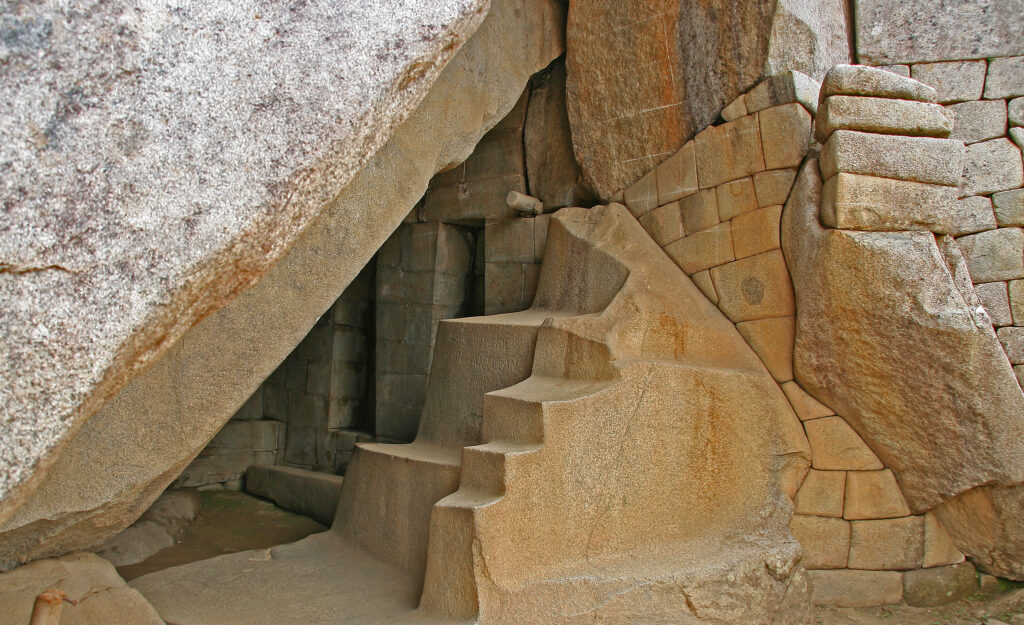
Amidst the ruins, the Royal Tomb whispered tales of the elite Inca buried within, their earthly journey transformed into a spiritual ascent. The Funerary Rock, adorned with intricate carvings, seemed to narrate the stories of the departed souls, forever etched into the memory of Machu Picchu.

The Royal Tomb

As the day unfolded, the sun reached its zenith, casting a warm glow upon the ancient stones. The llamas, descendants of the sacred animals once kept within the citadel, grazed peacefully, indifferent to the passage of time. I found myself drawn to the Room of the Three Doorways, where the convergence of three distinct doorways symbolized the unity of the three realms—the heavens, the earth, and the underworld.

The harmonious blend of natural beauty and architectural brilliance left an indelible mark on my soul. I marveled at how Machu Picchu seamlessly integrated into its mountainous surroundings, a testament to the Inca’s reverence for Pachamama, the Earth Mother. It was as if the citadel itself was a living entity, breathing in the essence of the Andes.

As the sun began its descent beyond the peaks, bathing Machu Picchu in hues of orange and pink, I couldn’t help but feel a profound connection to the spirits of the past. The whispers of the wind carried echoes of ancient ceremonies, the laughter of children running through the terraces, and the solemn chants of priests invoking the blessings of the gods.

Taking in the overview of Machu Picchu from the upper terraces outside the city

Machu Picchu, with its enigmatic charm, transcended the boundaries of time and space. It was a place where history and myth intertwined, inviting those who ventured within its walls to become part of its ongoing narrative. The mysteries of this sacred citadel were not confined to the pages of history books but lived on in the hearts of those who dared to explore its storied terrain.

As I bid farewell to Machu Picchu, I carried with me not only memories of an ancient marvel but also a profound appreciation for the enduring spirit of a civilization that had carved its legacy into the very heart of the Andes. The sun dipped below the horizon, casting a final, golden glow upon the citadel, as if bestowing a silent blessing on those who had tread upon its hallowed grounds.

And so, Machu Picchu stood sentinel amidst the mountains, its secrets and stories echoing through time, waiting to be discovered by those who would follow in the footsteps of ancient wanderers.

Sicily: A Journey Through Time, Taste, and Tradition

A Dream Fulfilled

I had always dreamt of Sicily, the sun-kissed Italian island nestled in the heart of the Mediterranean. The tales of its captivating landscapes, rich history, and delectable cuisine had lured me for years. Finally, the day had arrived when I found myself on a plane heading for this enchanting destination, ready to immerse myself in the beauty, culture, and flavors of Sicily.

Palermo – Where Past Meets Present

Palermo, the capital of Sicily, was my first stop. Stepping into the historic heart of the city felt like entering a time capsule. The streets were a testament to the island’s tumultuous history, where layers of Greek, Roman, Arab, Norman, and Baroque influences intertwined.

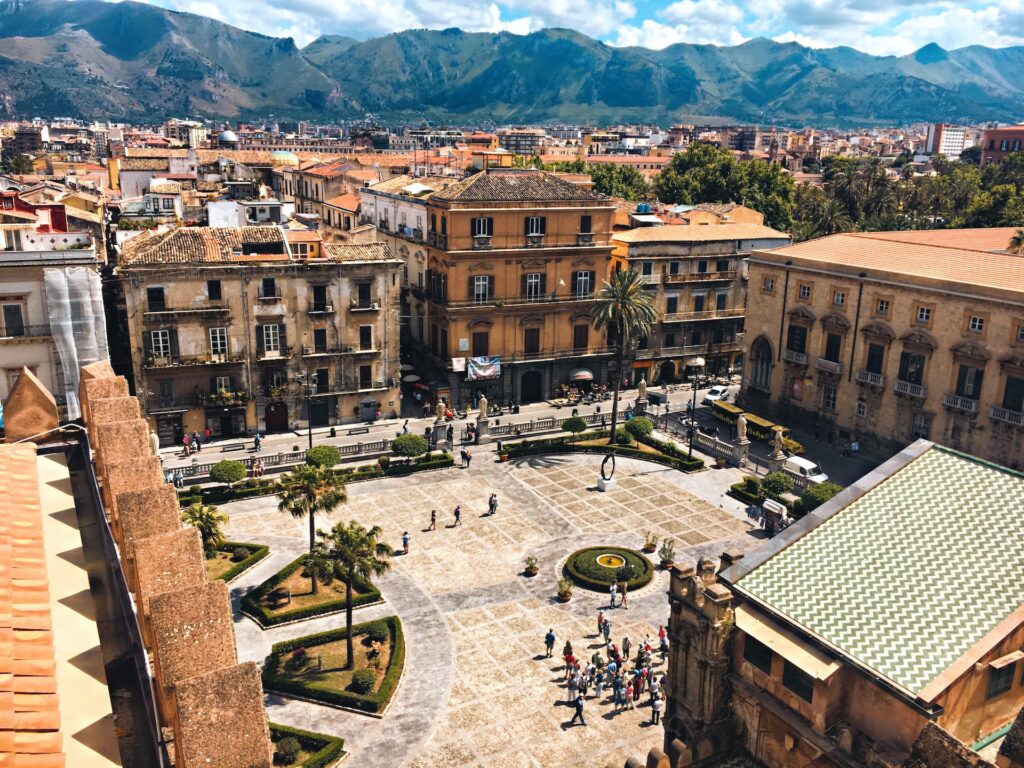
Palermo, Sicily, Italy

I explored the labyrinthine streets of the old town, where crumbling buildings hid intricate courtyards and vibrant street markets showcased the island’s freshest produce. Palermo Cathedral, with its striking Arab-Norman architecture, stood as a reminder of the city’s unique blend of cultures.

The Aeolian Islands – Nature’s Paradise

A short ferry ride from Milazzo brought me to the Aeolian Islands, a volcanic archipelago that is a UNESCO World Heritage Site. Each island had its own unique character. Stromboli, known for its active volcano, offered a mesmerizing evening show as fiery eruptions lit up the night sky.

On Panarea, the smallest of the islands, I discovered serene beaches and charming fishing villages. Salina, with its lush green hills and caper fields, was a paradise for nature lovers. The islands provided a harmonious blend of tranquility and adventure.

Taormina – A Slice of Heaven

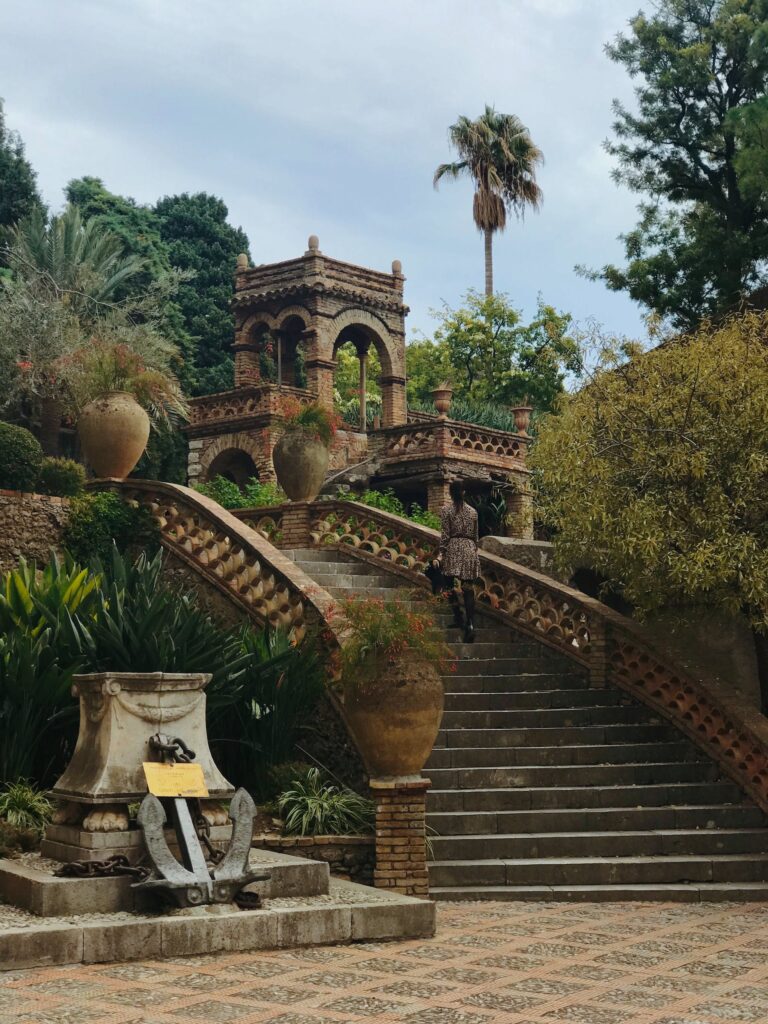
Taormina, Sicily, Italy

Perched high on the cliffs overlooking the Ionian Sea, Taormina was a picturesque paradise. Its stunning views, ancient Greek theater, and charming town center made it a quintessential Sicilian destination. I savored delicious Sicilian cannoli while sipping espresso at a cafe with a view that felt like a painting brought to life.

Mount Etna – A Volcanic Encounter

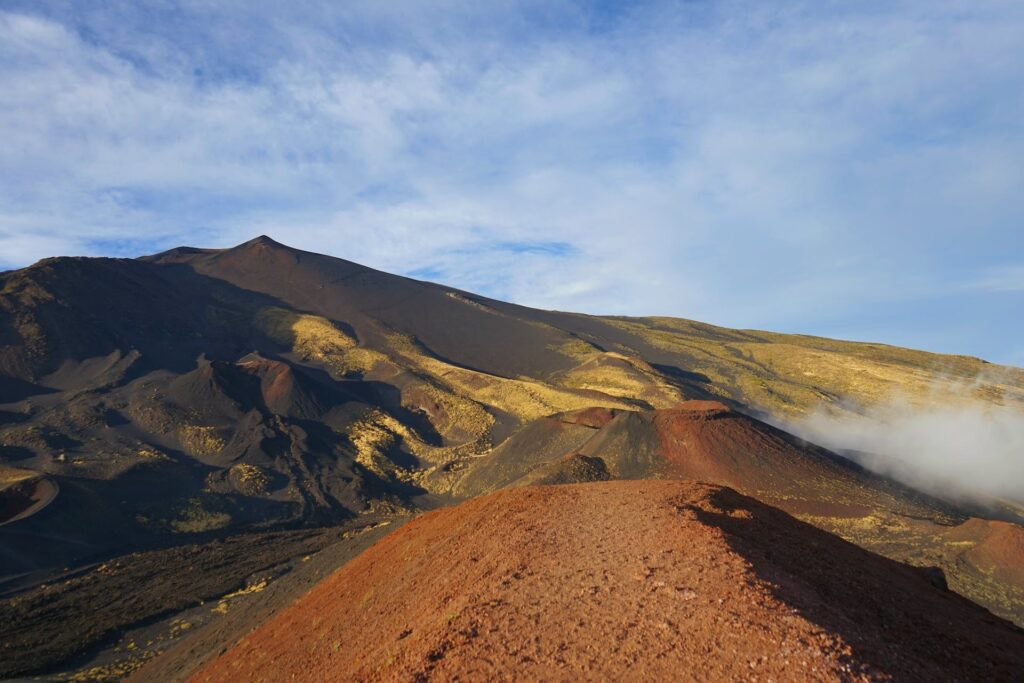
A visit to Sicily would be incomplete without exploring Mount Etna, Europe’s most active volcano. As I ascended the volcano’s slopes, I marveled at the surreal landscape of craters, lava flows, and fertile vineyards that thrived in the volcanic soil.

Mount Etna, Sicily, Italy

I joined a guided tour to venture closer to the summit. As I stood in the shadow of the smoldering volcano, I felt both the Earth’s raw power and its fertility, which allowed vineyards to produce some of Italy’s finest wines.

Syracuse – Ancient Glory

Syracuse, with its well-preserved ancient ruins, offered a glimpse into the grandeur of classical antiquity. The Greek Theater of Syracuse, one of the largest in the ancient world, still hosted performances. The Ear of Dionysius, a cave with remarkable acoustics, was a testament to the island’s rich history.

Ortigia, the historic center of Syracuse, was a charming maze of narrow streets and quaint piazzas. At the local market, I tasted fresh seafood and purchased handmade ceramics from local artisans.

Ragusa and Modica – Baroque Beauties

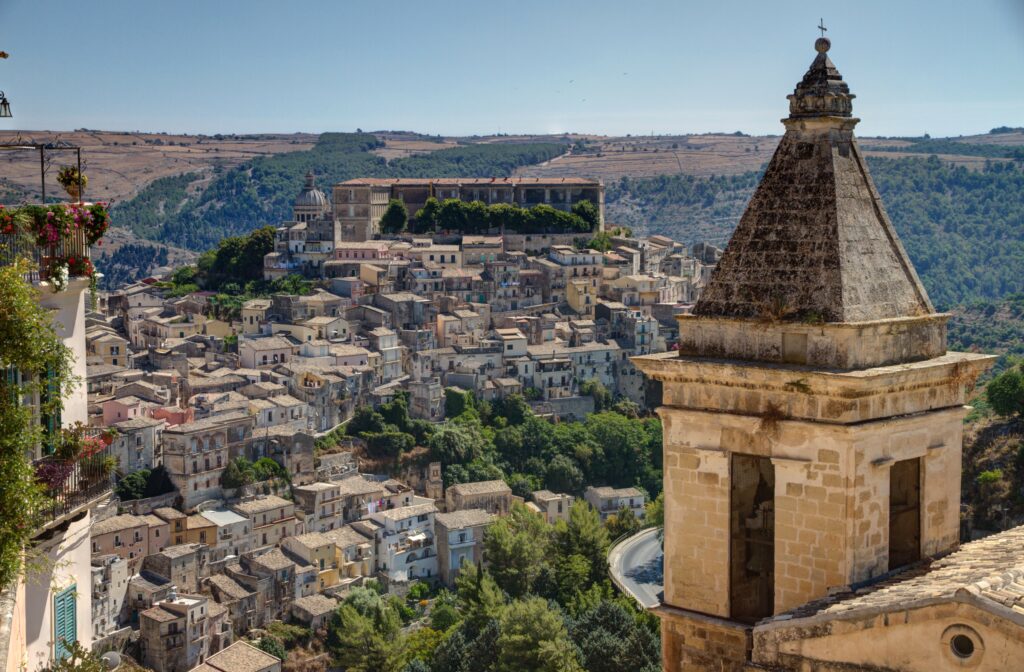
Ragusa, Sicily, Italia

Ragusa and Modica, both UNESCO World Heritage Sites, were a testament to Sicily’s unique Baroque architecture. These hilltop towns were a labyrinth of narrow streets, churches, and palaces. I climbed the steep steps to reach Ragusa’s upper town, where the view of the Baroque beauty below was nothing short of breathtaking.

Modica, known for its exquisite chocolate, offered a sweet indulgence. The town’s chocolate shops and cafes beckoned with an array of delectable treats, from traditional chocolate bars to innovative chocolate-infused dishes.

Agrigento – Valley of the Temples

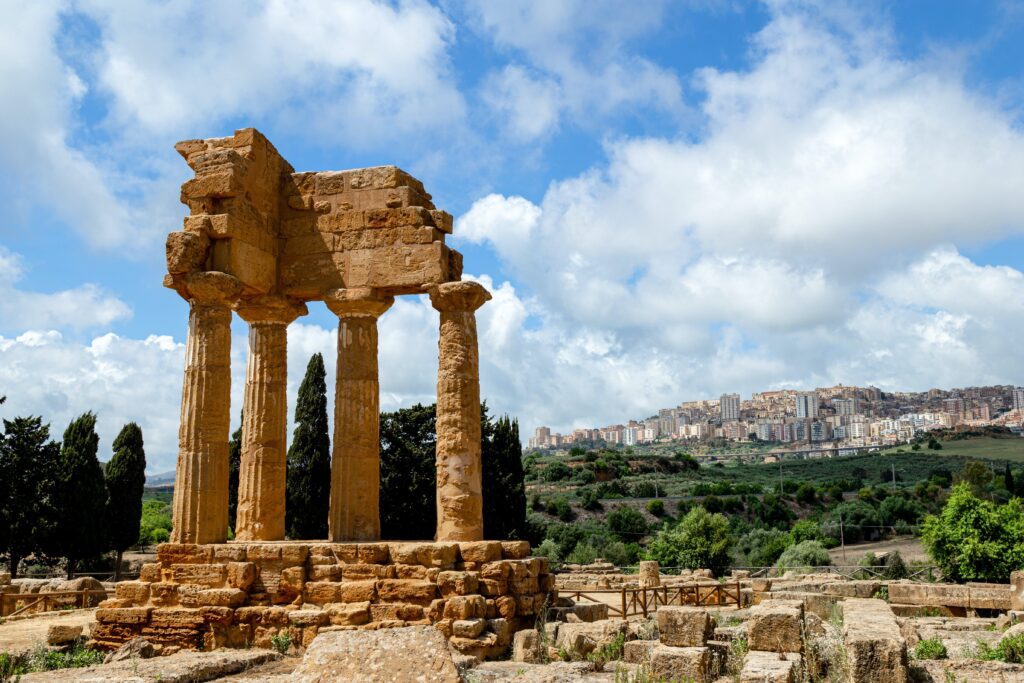
Agrigento, with its Valley of the Temples, transported me to ancient Greece. These remarkably preserved temples, including the iconic Temple of Concordia, showcased the grandeur of the ancient city of Akragas.

Agrigento, Sicily, Italia

As I wandered through the olive groves and marveled at the Doric columns, I couldn’t help but imagine the bygone era when these temples stood in their full glory.

Trapani and the Salt Pans

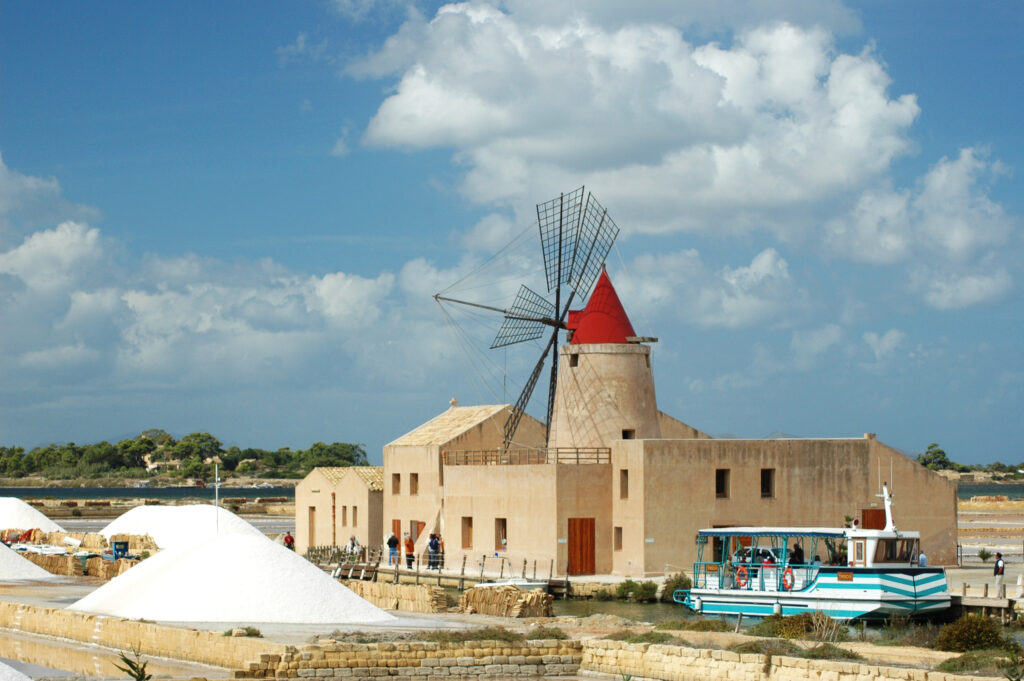
Trapani, a coastal town on Sicily’s western tip, was a place of unique beauty. Its salt pans, stretching to the horizon, were an otherworldly sight. Windmills, used for centuries to pump seawater into the salt pans, added to the area’s charm.

I learned about the traditional process of salt production and witnessed the changing colors of the salt pans as the seawater evaporated, leaving behind pristine salt crystals. It was a reminder of the island’s timeless traditions.

The Culinary Adventure

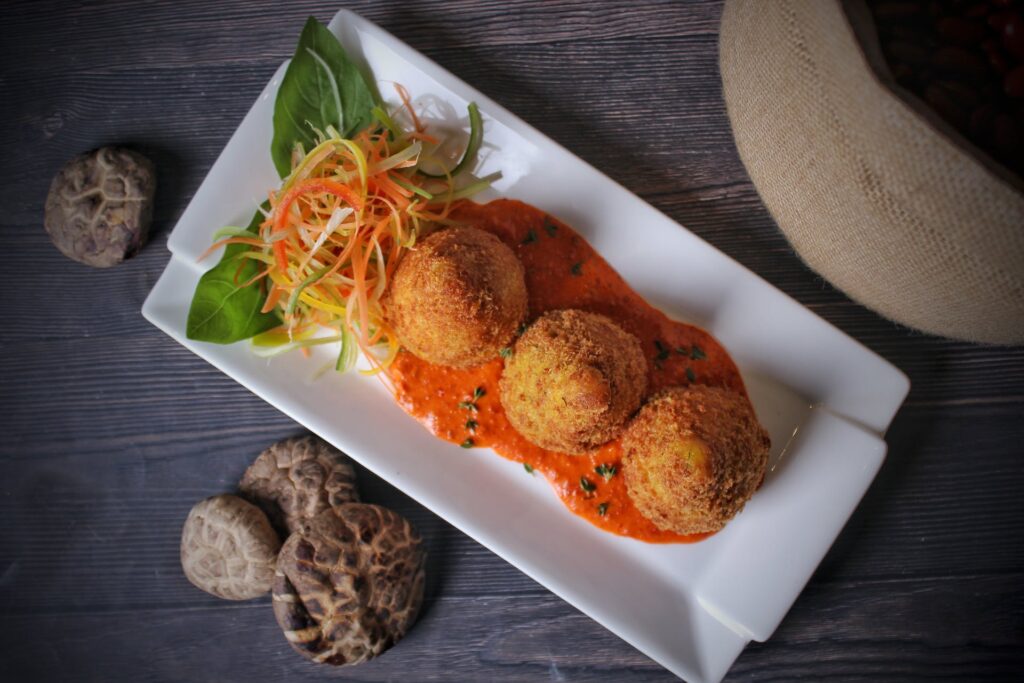
Sicilian cuisine is a marriage of flavors and cultures. I indulged in arancini, rice balls filled with ragù and cheese, and sampled caponata, a sweet and sour eggplant dish. Fresh seafood was a staple, and I relished dishes like pasta with sardines and swordfish involtini.

Arancini with Sauce and Vegetables

Sicilian desserts were a delight. Cannoli, with their sweet ricotta filling, and cassata, a multi-layered sponge cake, were irresistible. Sicily’s world-famous almond pastries, including marzipan fruits and almond cookies, were a testament to the island’s love for almonds.

Sicilian wines, such as Nero d’Avola and Marsala, were the perfect accompaniment to these culinary delights. I visited local wineries, where I learned about the island’s winemaking traditions and savored some of its finest vintages.

Farewell to Sicily

As my journey through Sicily neared its end, I reflected on the unforgettable experiences and the beauty that had surrounded me at every turn. The island had exceeded every expectation, offering a blend of history, nature, and culinary delights that had left an indelible mark.

Sicily, with its ancient ruins, picturesque towns, and warm-hearted people, had revealed its soul to me. It was a place where history intertwined with the present, where nature flourished in the shadow of a volcano, and where every meal was a celebration of tradition and flavor.

As I boarded the plane back home, I knew that I was leaving a piece of my heart behind in Sicily. The island’s beauty, culture, and cuisine had left an indelible impression, and I promised myself that one day, I would return to this captivating island, to continue the journey through time, taste, and tradition.

Spice of Life: The Fiery Journey of Chilies

0

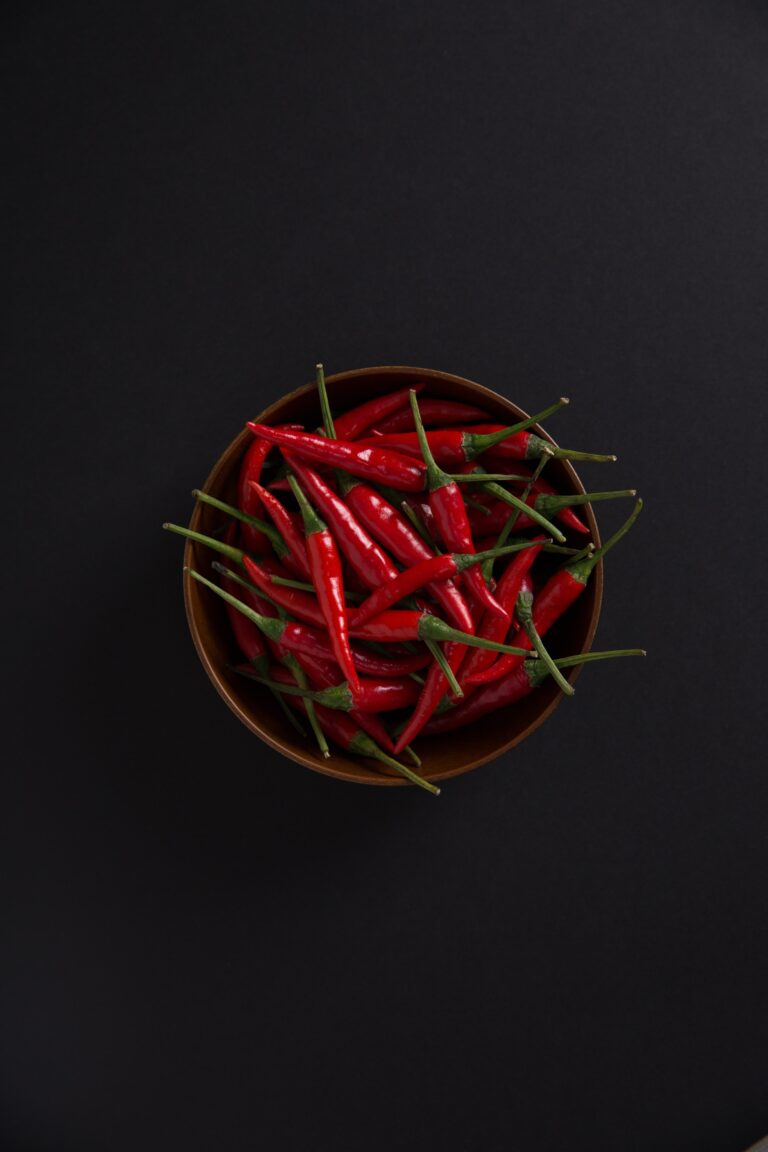
Chilies, the vibrant, fiery gems that spice up cuisines worldwide, have a long and intriguing history. These humble peppers have journeyed across continents, transforming dishes and tantalizing taste buds with their bold flavors and heat. In this article, we’ll delve into the fascinating world of chilies, with a special focus on their unparalleled culinary impact.

The Origin of Chili Peppers

The chili pepper’s story begins in the Americas, specifically in regions of what are now Mexico and Central America. Native to this region, chilies have been cultivated for thousands of years. The oldest known domesticated chili pepper seeds were found in Mexico and date back to around 6,000 years ago.

Chilies quickly became an integral part of the Native American diet, offering a spicy kick to their meals. Interestingly, chili peppers’ heat acted as a natural preservative, helping to extend the shelf life of food in hot and humid climates.

The Chili’s Global Spread

Chilies made their way to Europe through Christopher Columbus and his voyages to the New World. By the early 16th century, chilies had become a staple in European cuisine, with the Portuguese introducing them to India and Southeast Asia. From there, they continued their journey to Africa, adding their fiery touch to a multitude of regional dishes.

In the Americas, chilies maintained their central role in indigenous cuisine, eventually becoming integral to dishes like Mexican mole and Caribbean jerk seasoning.

Cultural Significance of Chilies

Throughout history, chilies have played a significant role in many cultures, going beyond mere culinary use. They’ve been used for medicinal purposes, as currency, and even in religious ceremonies.

1. Medicinal Uses:

Chilies contain capsaicin, the compound responsible for their heat. Capsaicin is known to have various health benefits, including pain relief, anti-inflammatory properties, and potential weight loss benefits. In traditional medicine, chilies have been used to treat ailments ranging from arthritis to digestive issues.

2. Currency:

Chilies were once used as a form of currency. The ancient Aztecs used them as a trading commodity, and, at times, they were even used to pay taxes. Chilies were so valuable that they could be used to measure a person’s wealth.

3. Religious Rituals:

In some cultures, chilies have had religious significance. In Hinduism, they are associated with deities like Hanuman, while in other belief systems, they are believed to have protective properties against evil spirits.

The Science of Spice: What Makes Chilies Hot?

The heat of chili peppers comes from capsaicinoids, a group of compounds found in the fruit’s placental tissue. Capsaicin, in particular, is responsible for the fiery sensation we experience when consuming chilies. When capsaicin interacts with receptors on our tongue and in our mouths, it sends signals to the brain that we interpret as heat or spiciness.

The Scoville scale is used to measure the heat level of chilies. The heat is determined by diluting the chili’s extract until it is no longer perceived as spicy by a panel of tasters. Bell peppers have a Scoville rating of 0, while the Carolina Reaper, one of the hottest chilies in the world, can exceed 2.2 million Scoville Heat Units (SHU).

Chilies’ Role in Cuisine: From Mild to Wild

Chilies have diverse culinary uses and are employed in various forms, each adding a unique flavor and heat level to dishes.

1. Fresh Chilies:

Whole fresh chilies, such as jalapeños, serranos, and habaneros, are widely used in salsas, stir-fries, and salads. Their heat and flavor can vary significantly, allowing for a wide range of taste experiences.

2. Dried Chilies:

Dried chilies, like ancho, guajillo, and chipotle, offer a different depth of flavor compared to their fresh counterparts. They are often used in Mexican and Southwestern American cuisine, imparting smoky and earthy notes.

3. Chili Powder:

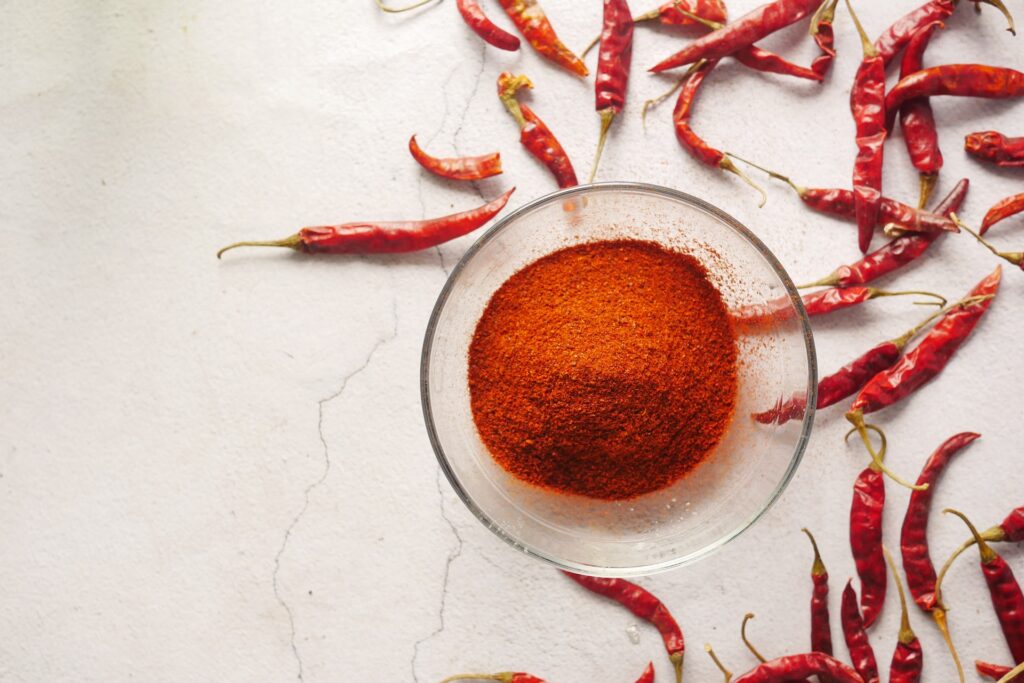
Chili powder and dried peppers

Chili powder is a blend of dried, ground chilies and other spices. It is an essential ingredient in many Mexican and Tex-Mex dishes, from chili con carne to enchiladas.

4. Chili Paste and Sauces:

Chili paste and sauces, like Sriracha and harissa, are popular condiments that add heat and depth of flavor to various dishes. These sauces have gained global popularity and are essential ingredients in many contemporary fusion cuisines.

5. Curry Pastes:

In Indian and Thai cuisines, chili-based pastes are crucial components in curries. They contribute to the rich and complex flavor profiles of these beloved dishes.

6. Pickled Chilies:

Pickled chilies, often found in Asian cuisines, provide a balance of heat and acidity. They are typically served as a side condiment, accompanying noodle dishes and street food.

The Culinary Impact of Chilies

Chilies have an incredible capacity to enhance the flavor of dishes, making them an essential ingredient in countless world cuisines.

Stew Moroccan

1. Balancing Flavor:

Chilies can accentuate the flavor of other ingredients by adding depth and complexity to a dish. The heat of chilies can complement the sweetness of fruits, the richness of meats, and the freshness of herbs and vegetables.

2. Cultural Identity:

Chilies are integral to the identity of many cuisines. In regions like Mexico, India, and Thailand, chilies are fundamental to local dishes, defining the culinary identity of these regions. The use of chilies in traditional recipes connects the past with the present, preserving culinary traditions that have been passed down through generations.

3. Versatility:

One of the great attributes of chilies is their versatility. They can be the star of a dish or a subtle background note. Chilies can be used to create salsas, marinades, and rubs, adding their unique character to a wide range of foods. Whether it’s a spicy salsa that elevates a taco, a fiery curry that engulfs your senses, or a hot sauce that brings wings to life, chilies find their place in various culinary applications.

4. Global Fusion:

In the modern culinary landscape, global fusion has become a prominent trend, and chilies play a crucial role in this culinary evolution. They bring together flavors and ingredients from different cuisines, creating exciting and harmonious fusions. A dash of chili-infused oil in an Italian pasta or a sprinkle of chili flakes on a traditional pizza is a testament to the versatility of these peppers.

5. Comfort and Celebration:

Chilies are not just about heat; they also offer comfort and celebration. Many cultures have comforting dishes, often associated with home-cooked meals prepared by loved ones. Spicy stews, soups, and curries are often the centerpieces of family gatherings and celebratory feasts.

Chilies – A Global Culinary Treasure

Chilies are a global culinary treasure, elevating dishes and defining the flavors of cultures around the world. From Mexico’s sizzling salsas to Thailand’s fiery curries, the culinary impact of chilies is undeniable. They add a spark of excitement to our plates and have the power to transport us on a flavorful journey across borders and through

A Journey to Zanzibar: Unraveling the Magic of the Spice Island

Introduction: The Dream Takes Flight

The anticipation was palpable as I boarded the plane, headed for a destination that had long held a spot on my bucket list – Zanzibar. An archipelago nestled in the Indian Ocean, this island is known for its pristine beaches, rich history, and vibrant culture. As the aircraft roared to life and the wheels left the runway, I knew that this journey was destined to be an unforgettable adventure.

Chapter 1: Arrival in Paradise

The moment we touched down at Abeid Amani Karume International Airport in Zanzibar, I could feel the tropical warmth wrap around me like a welcoming embrace. The air was heavy with the sweet scent of frangipani flowers, instantly announcing that I was in paradise.

As I left the airport, the azure expanse of the Indian Ocean came into view, its waves gently lapping at the sandy shores. It was a sight straight out of a postcard – the crystalline waters met the cerulean sky on the horizon, and I couldn’t help but be awestruck.

Chapter 2: Stone Town – A Step Back in Time

My first stop was Stone Town, the historical heart of Zanzibar. This UNESCO World Heritage site is a labyrinth of narrow streets, ornate doorways, and centuries-old buildings. As I meandered through the winding alleys, I felt transported back in time.

Stone Town, Zanzibar, Tanzania

The architecture was a blend of Arabic, Persian, Indian, and European influences, reflecting the island’s rich history as a melting pot of cultures. The carved wooden doors, adorned with intricate designs and brass studs, were a sight to behold. Each doorway told a story, and I was eager to uncover the island’s past.

Chapter 3: Spices, Spice, and More Spice

Zanzibar is often referred to as the “Spice Island,” and I was determined to discover the origin of this nickname. A visit to a local spice farm offered a sensory journey that I won’t soon forget. The air was filled with the heady scents of cinnamon, cardamom, vanilla, and cloves.

Our guide explained the cultivation and harvest of these aromatic treasures. I watched as workers expertly climbed the tall coconut trees to retrieve fresh green coconuts, which were then opened for us to enjoy the sweet, refreshing water.

It was fascinating to see how the island’s economy had been shaped by the spice trade, dating back to the 16th century. Zanzibar was once the world’s largest producer of cloves, and these aromatic gems played a pivotal role in the island’s history.

Chapter 4: The Beaches – A Slice of Paradise

Zanzibar’s coastline is nothing short of breathtaking, with powdery white sands and pristine waters that stretch as far as the eye can see. My base was at Nungwi, located on the northern tip of the island, and it was a true beach lover’s dream.

Zanzibar, Mjini Magharibi Region, Tanzania

The beaches were dotted with swaying palm trees and tranquil beachside bars, perfect for watching the sunset with a cocktail in hand. I spent my days strolling along the shore, dipping my toes into the warm waters of the Indian Ocean, and simply basking in the serenity of it all.

Snorkeling and diving are immensely popular activities in Zanzibar, thanks to its rich marine life and colorful coral reefs. I embarked on a snorkeling excursion to Mnemba Atoll, where I encountered a mesmerizing underwater world filled with vibrant fish and coral formations. The experience was like swimming through an aquarium, and I couldn’t help but be captivated by the marine beauty that surrounded me.

Chapter 5: The Spirit of Swahili

As I ventured further into the island’s interiors, I was warmly greeted by the local Swahili culture. Swahili is the dominant language in Zanzibar, and the island’s people are known for their friendliness and welcoming nature.

Yann Macherez, CC BY-SA 4.0, via Wikimedia Commons

The island’s markets, like Darajani Market in Stone Town, were a treasure trove of local produce, crafts, and spices. Vibrant fabrics, intricate jewelry, and handwoven baskets filled the stalls. Engaging with the local vendors was a delightful cultural exchange, and their smiles were infectious.

I also had the opportunity to savor authentic Swahili cuisine. Dishes like biryani, pilau, and mishkaki (grilled skewers) were a symphony of flavors, infused with aromatic spices that had made Zanzibar famous. The use of coconut milk, tamarind, and fresh seafood was a testament to the island’s culinary diversity.

Chapter 6: Exploring the Outer Islands

While Zanzibar’s main island was enchanting, I couldn’t resist the allure of the surrounding smaller islands. Prison Island, named after its former use as a detention center, was a short boat ride away. It was here that I encountered the Aldabra giant tortoises, some of which were over a century old. Their slow, lumbering movements were a reminder of the island’s historical significance.

Chumbe Island

Chumbe Island, a marine conservation area, was another highlight of my journey. Its pristine coral reefs and diverse marine life made it an ideal spot for snorkeling and scuba diving. I was enthralled by the colorful sea creatures, and the fact that the island was dedicated to preserving this underwater paradise added an extra layer of appreciation.

Chapter 7: Sunset Dhow Cruise

Zanzibar, Mjini Magharibi Region, Tanzania

A trip to Zanzibar wouldn’t have been complete without a sunset dhow cruise. These traditional wooden boats have been a part of the island’s culture for centuries. As the sun dipped below the horizon, I watched the sky turn shades of orange and pink, casting a magical glow over the ocean. The gentle swaying of the dhow and the sound of the waves provided the perfect setting for relaxation and reflection.

Chapter 8: Farewell to Zanzibar

As I prepared to leave Zanzibar, my heart was heavy with the bittersweet feeling of saying goodbye to a place that had left an indelible mark on my soul. The island’s beauty, culture, and the warmth of its people had created memories that I would carry with me forever.

Zanzibar, with its pristine beaches, rich history, and vibrant culture, had proven to be more than just a travel destination. It was a journey into the heart of paradise, a place where time seemed to stand still, and the spirit of Swahili hospitality embraced every traveler.

Zanzibar, the Spice Island, had cast its spell, and I knew that one day, I would return to unravel more of its magic, one adventure at a time.

Bali: The Island of a Thousand Smiles

Bali, the jewel of Indonesia, is a destination that needs little introduction. With its breathtaking landscapes, vibrant culture, and warm hospitality, Bali is a place where dreams become reality. In this article, we’ll delve into the magic of Bali, exploring its enchanting beauty, rich traditions, and the countless reasons why it remains a favorite among travelers from around the world.

A Tropical Paradise: Bali’s Natural Beauty

Bali is known for its lush, tropical landscapes that seem almost too perfect to be real. From verdant rice terraces to pristine beaches, the island’s natural beauty is a constant source of wonder.

1. Rice Terraces and Subak System:

Start your Balinese journey with a visit to the Tegalalang Rice Terraces in Ubud. These stunning terraces, recognized as a UNESCO World Heritage Site, represent Bali’s unique Subak system, an intricate irrigation network dating back over a thousand years. As you walk among the emerald fields, you’ll witness the tireless efforts of farmers tending to their crops, creating a remarkable sight of cascading greenery.

2. Beaches of Bali:

Bali’s coastline is a picture of tropical perfection, featuring golden sands, crystal-clear waters, and an array of activities. Kuta Beach, with its lively atmosphere, is popular among surfers and those seeking vibrant nightlife. For a more tranquil experience, head to the serene shores of Nusa Dua. Uluwatu Beach, with its dramatic cliffs and renowned temple, offers both a cultural and natural experience. And, of course, there’s the iconic Seminyak Beach, perfect for sunset strolls and luxurious beachfront resorts.

3. Waterfalls and Hidden Canyons:

Bali is home to some of the most exquisite waterfalls in Southeast Asia. Tegenungan Waterfall, nestled amidst lush greenery, offers a refreshing natural pool for swimming. Tukad Cepung Waterfall, located inside a cave, provides a magical and secluded experience. Adventure seekers will love canyoning in hidden canyons like Kerenkali, where you can rappel down waterfalls and leap into pristine pools.

A Cultural Treasure: Bali’s Rich Traditions

Beyond its natural beauty, Bali boasts a rich and deeply spiritual culture. The island’s cultural heritage is woven into every aspect of daily life.

1. Temples and Offerings:

Bali is often referred to as the “Island of a Thousand Temples,” and for good reason. These temples are scattered throughout the island, each a testament to Bali’s unique form of Hinduism. Uluwatu Temple, perched on a dramatic cliff, is famous for its Kecak dance performances and panoramic ocean views. Tanah Lot Temple, located on a rocky outcrop, is an iconic site during sunset. Saraswati Temple in Ubud is known for its lotus pond and Balinese dance performances.

Tanah lot, Bali

In Bali, offerings to the gods are a daily ritual. These small woven baskets, called “canang sari,” are filled with flowers, rice, and incense and placed everywhere, from temples to doorsteps. Witnessing the creation of these offerings and their subsequent use in ceremonies is a fascinating window into Balinese spirituality.

2. Traditional Arts and Dance:

Bali is a cradle of traditional arts and dance. Catch a mesmerizing Legong dance performance, featuring intricate movements and ornate costumes, or witness a powerful Barong dance, a story of good versus evil. Ubud, in particular, is renowned for its thriving arts scene, with numerous galleries and workshops where you can witness skilled artisans at work.

3. Bali’s Festivals:

Bali’s calendar is filled with festivals and ceremonies. One of the most celebrated is Nyepi, the Balinese New Year, a day of silence and reflection. Witness the magical “ogoh-ogoh” parades the night before, where towering papier-mâché monsters are paraded through the streets. Galungan and Kuningan are other important Hindu festivals when families come together to celebrate and offer prayers to their ancestors.

Balinese Cuisine: A Gastronomic Journey

Bali’s culinary scene is a gastronomic journey filled with flavors, spices, and vibrant street food.

Balinese food @ The Uma. Seriously tasty food. http://www.the-uma.com/

1. Nasi Goreng and Mie Goreng:

Savor the delicious Nasi Goreng and Mie Goreng, Indonesia’s versions of fried rice and fried noodles. Topped with a fried egg, crispy shallots, and served with prawn crackers, these dishes are ubiquitous and incredibly satisfying.

2. Satay and Ayam Betutu:

Bali is famous for its satay, skewers of marinated meat grilled to perfection. Ayam Betutu is a must-try, a slow-cooked chicken dish infused with a blend of rich, aromatic spices.

3. Sambal:

The heart and soul of Balinese cuisine is sambal, a fiery chili sauce. Variations of sambal accompany nearly every meal, adding a kick of flavor to each dish.

4. Street Food and Markets:

Bali’s street food is a paradise for food enthusiasts. Explore local markets like Gianyar Night Market and Ubud Market, where you can sample everything from grilled seafood to coconut pancakes.

5. Beachfront Dining:

Enjoy a romantic dinner at a beachfront restaurant, where you can savor fresh seafood and a variety of international and Balinese dishes while listening to the soothing sounds of the ocean.

Bali’s Wellness and Yoga Retreats: Mind, Body, and Soul

Bali is renowned for its wellness and yoga retreats, offering an ideal escape for those seeking relaxation and rejuvenation.

1. Ubud, the Yoga Capital:

Ubud is a sanctuary for yoga and meditation enthusiasts. With its lush landscapes, serene atmosphere, and numerous yoga studios and wellness centers, it’s the perfect place to nourish your mind and body.

Ubud, Gianyar, Bali

2. Spa Treatments:

Bali is synonymous with spa treatments that range from traditional Balinese massages to holistic wellness therapies. The island’s natural ingredients, like coconut, aloe vera, and frangipani, are often used in these rejuvenating experiences.

3. Raw and Vegan Cuisine:

Bali is a hub for healthy living, with numerous cafes and restaurants dedicated to raw and vegan cuisine. You can indulge in nutritious dishes and fresh juices while surrounded by a peaceful ambiance.

A Thousand Smiles: The Warmth of the Balinese People

While the island’s natural beauty, culture, and cuisine are undoubtedly enchanting, it is the warmth and hospitality of the Balinese people that make Bali truly exceptional. The locals, known for their genuine smiles and openness, ensure that every visitor feels welcomed and cherished. From the moment you step onto this island, you’ll be embraced as part of the Bali family.

Bali – The Island of a Thousand Smiles

Bali is a place where nature’s beauty, ancient traditions, and modern delights come together in harmonious unity. Whether you seek adventure in its dense jungles, serenity on its sun-kissed beaches, or an exploration of its rich culture and cuisine, Bali offers something extraordinary for every traveler. It’s a destination that beckons you to experience its magic and embrace the thousand smiles that greet you, ensuring that your journey through the island of Bali becomes an