Home Blog Page 2

The Spicy Journey of Curry: A Global Culinary Adventure

0

Curry, with its aromatic blend of spices and diverse regional variations, is a culinary masterpiece that transcends borders and tells the story of cultures across the world. From India to Thailand, the Caribbean to Japan, curry has captured the hearts and taste buds of millions. In this article, we’ll embark on a flavorful journey through the rich history and global significance of curry, exploring its origins, evolution, and the delightful experiences it offers.

Curry: A Tale of Origin and Evolution

The word “curry” itself is believed to have its roots in the Tamil word “kari,” which means a spiced sauce. While the concept of curry is most commonly associated with India, it’s essential to recognize that curry takes on an array of unique forms in various regions, each reflecting the local culture, ingredients, and culinary traditions.

Indian Curry: Where It All Began

India is the birthplace of curry, and its influence on the global culinary scene cannot be overstated. Indian curries are known for their diverse and complex flavors, crafted from a mix of spices like cumin, coriander, turmeric, and cardamom. The choice of ingredients varies by region, with some areas favoring vegetables and lentils, while others embrace meats like chicken, lamb, and goat.

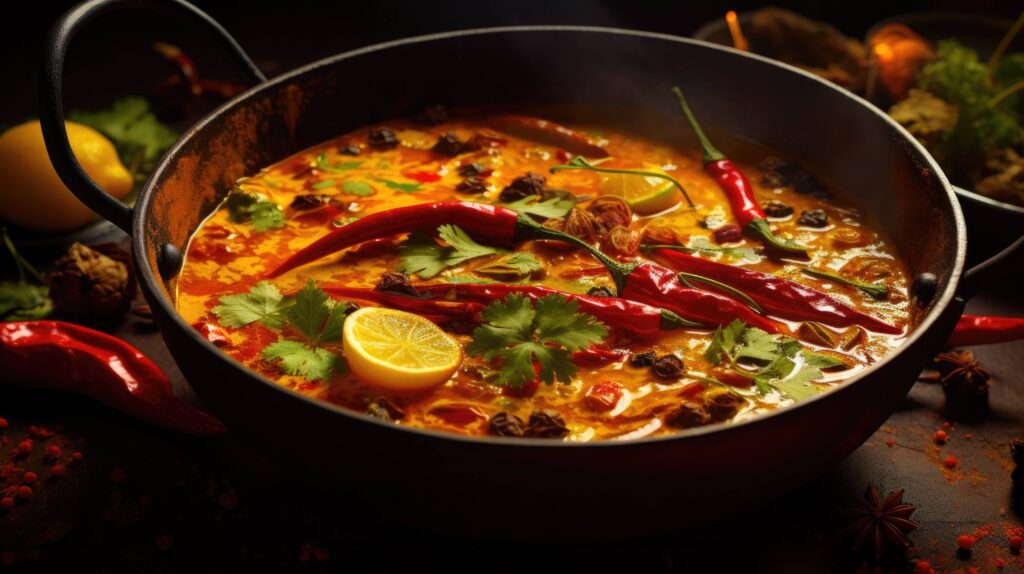
Bubbling pot of Indian curry, vibrant turmeric yellows and chili reds in a simmering medley

The regional diversity of Indian curry is evident in classics like Rogan Josh from Kashmir, a fiery lamb curry, and Kerala’s aromatic and coconut-infused fish curries. Many Indian families have their treasured recipes, passed down through generations, ensuring that each curry is a labor of love.

Thai Curry: A Symphony of Flavors

In Thailand, curry takes on a character all its own. Thai curries are known for their bold flavors, often incorporating ingredients like lemongrass, galangal, and Thai basil. The use of coconut milk in Thai curries adds a luxurious creaminess that balances the intense heat from chilies.

Thai Food Beef Massaman Curry

There are several types of Thai curry, including the vibrant red, green, and yellow curries, each featuring a unique blend of spices and herbs. The red curry, for instance, gets its fiery hue from red chilies and is famous for its sweet and spicy flavor profile. Thai curries are often paired with a range of proteins, from chicken and shrimp to tofu and vegetables.

Caribbean Curry: An Island Twist

The Caribbean is home to a distinctive style of curry influenced by the region’s diverse history, including Indian and African traditions. Caribbean curry is characterized by its use of spices like allspice, cumin, and scotch bonnet peppers, which contribute to a fiery and robust flavor.

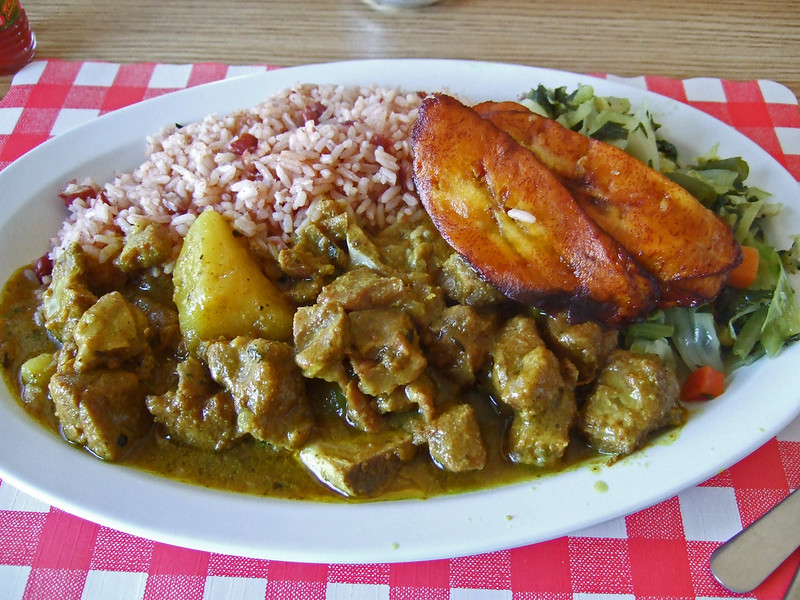
Caribbean Taste – Curry Goat

One popular Caribbean dish is “roti,” which consists of curried meat or vegetables wrapped in a soft, unleavened flatbread. Trinidad and Tobago, in particular, is celebrated for its roti and vibrant curry culture.

Japanese Curry: The Comfort Food

In Japan, curry has been adapted into a milder, comforting dish known as “kare raisu” (curry rice). Introduced by the British Navy in the late 19th century, Japanese curry is quite different from its Indian and Thai counterparts. It is typically made with a pre-packaged curry roux, often containing ingredients like apple and honey for sweetness.

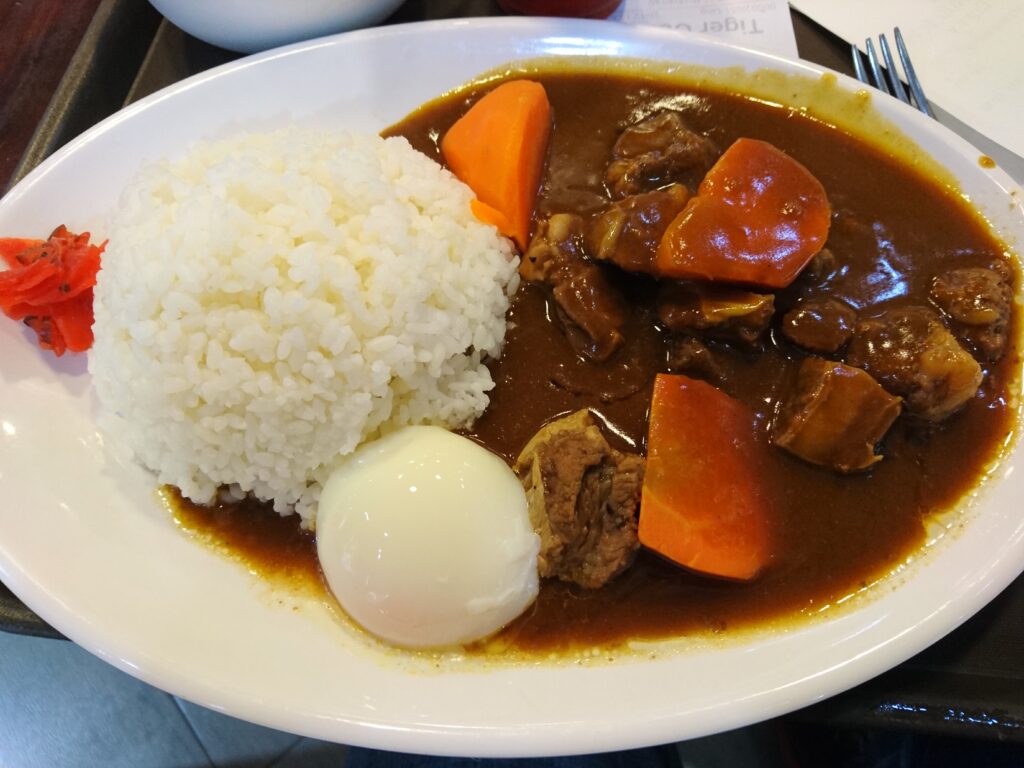
Japanese Curry Beef Rice with Hot Spring Egg

Japanese curry is a beloved comfort food, often prepared with chunks of meat (beef, pork, or chicken) and served over a bed of white rice. Its smooth and hearty consistency makes it a favorite among people of all ages, and it’s commonly found on the menu at Japanese households and restaurants.

Curry in the World: A Culinary Passport

One of the most remarkable aspects of curry is its ability to adapt and integrate into the culinary tapestry of various nations. This versatility has allowed curry to earn a spot at the dinner table in countless homes worldwide. It serves as a bridge between cultures, uniting people through the shared love of its complex flavors.

Whether you’re indulging in a spicy chicken vindaloo in Goa, a rich and creamy massaman curry in Thailand, or a fiery jerk chicken curry in the Caribbean, you’re experiencing the rich history and diverse influences that make each curry unique. These dishes allow us to explore the world without leaving our own neighborhoods, providing a delightful and immersive travel experience on a plate.

The Joy of Making Curry at Home

While sampling curry from restaurants and street vendors around the world is undoubtedly an exciting culinary adventure, making curry at home can be equally rewarding. It allows you to tailor the dish to your personal preferences and explore different regional variations. Plus, the process of toasting and grinding spices, simmering aromatic ingredients, and witnessing the transformation of individual components into a harmonious whole is a deeply satisfying and educational experience.

The fragrance of a pot of simmering curry wafting through your kitchen can transport you to distant lands and evoke a sense of wanderlust even from the comfort of your own home. Sharing a home-cooked curry with friends and family is a delightful way to spread the love of travel, culture, and cuisine.

Curry – A Global Gastronomic Treasure

Curry is more than just a dish; it’s a cultural ambassador that transcends borders and tells the stories of diverse lands and traditions. It’s a culinary journey that invites us to explore, appreciate, and celebrate the beauty of our multicultural world. So whether you’re a novice or an expert, savoring the aromatic complexities of a perfectly prepared curry is an invitation to partake in the rich tapestry of global flavors that unite us all.

Shanghai’s Culinary Kaleidoscope: 5 Places with the Best Food

0

Shanghai, a dynamic metropolis known for its dazzling skyline and rich history, is also a food lover’s paradise. From traditional Chinese flavors to international cuisine, this city offers a culinary journey that’s second to none. In this article, we’ll explore the top five places with the best food in Shanghai, taking you on a delectable tour through this gastronomic wonderland.

1. Yu Garden Bazaar: A Feast for the Senses

Yu Garden Bazaar, located in the heart of Old Shanghai, is a vibrant hub of flavors, colors, and aromas. This historic marketplace is the ideal place to start your culinary exploration of Shanghai. As you wander through the narrow lanes, you’ll discover a variety of street vendors, tea houses, and traditional Chinese restaurants.

Here, you must try the iconic Xiaolongbao, or soup dumplings, at Nanxiang Mantou Dian. These delicate steamed dumplings are filled with savory broth and succulent meat, creating an explosion of flavor in your mouth with each bite. The bazaar also offers traditional snacks like fried dumplings, candied fruit, and sesame pastries.

2. Xintiandi: Where Old Meets New

Xintiandi, an area in the heart of Shanghai’s historic French Concession, presents a unique blend of old and new. The preserved shikumen (stone gate) houses are now home to stylish boutiques, galleries, and a plethora of restaurants and cafes. It’s a place where you can savor the best of both worlds, from authentic local cuisine to international delicacies.

Start your culinary journey at Din Tai Fung, a world-renowned Taiwanese restaurant known for its outstanding dim sum and Xiaolongbao. Another must-visit in Xintiandi is the New York-style steakhouse, Morton’s, which serves succulent cuts of meat and offers a stunning rooftop view of the district. For a delightful afternoon, explore the charming cafes and bakeries that line the streets, serving delectable pastries and aromatic coffees.

3. The Bund: A Culinary Extravaganza with a View

The Bund, with its iconic waterfront skyline, is not only a visual marvel but also a culinary paradise. Here, you’ll find a wide range of dining options, from local Shanghainese cuisine to international fine dining.

For an exceptional dining experience, head to M on the Bund, where you can enjoy a blend of European and Australian flavors with breathtaking views of the Huangpu River and Pudong’s skyscrapers. Alternatively, explore the various stalls along the Bund, offering classic Chinese street food like stinky tofu, skewers of grilled meat, and freshly fried jianbing (savory crepes). And after your meal, you can take a leisurely walk along the waterfront promenade to savor the vibrant atmosphere.

4. Jiangnan Cuisine in Qibao Ancient Town: A Cultural Delight

A little outside the city center, Qibao Ancient Town offers not only a glimpse into ancient Chinese culture but also a culinary journey through the flavors of Jiangnan cuisine. This traditional Chinese cuisine, which originates from the Jiangnan region (South of the Yangtze River), is renowned for its use of fresh ingredients, delicate flavors, and exquisite presentation.

In Qibao, you can savor local dishes like tangyuan (glutinous rice balls), stinky tofu, and rice cakes, all of which are steeped in the area’s rich history. For a unique experience, visit the local teahouses where you can enjoy tea and snacks in a traditional setting. The Qibao Ancient Town provides a perfect blend of culture and cuisine.

5. Tianzifang: A Bohemian Culinary Experience

Tianzifang, located in the former French Concession, is a bohemian haven filled with narrow alleyways, art studios, and quaint boutiques. It’s also home to some of the city’s most exciting dining spots. The area’s shikumen architecture adds a touch of nostalgia to your culinary adventure.

For a fusion of French and Vietnamese flavors, dine at Le Bouchon, a restaurant that offers a unique culinary experience in an atmospheric setting. Afterward, explore the charming lanes of Tianzifang, where you can discover various hidden gems serving local and international dishes, including tapas, sushi, and artisanal ice cream.

In Conclusion: A Gastronomic Journey Through Shanghai

Shanghai’s culinary scene is as diverse and vibrant as the city itself. Whether you’re exploring the traditional markets of Yu Garden Bazaar, savoring a meal with a view on The Bund, or diving into the cultural and gastronomic delights of Qibao Ancient Town, the city offers an array of culinary experiences that cater to all tastes. Shanghai’s food culture is a reflection of its rich history, combining traditional Chinese flavors with international influences. So, embark on a gastronomic journey through these five remarkable places, and savor the delightful, ever-evolving flavors of this bustling metropolis.

Shanghai: Where Tradition Meets Modernity

0

Shanghai, the sprawling metropolis on China’s eastern coast, is a city that seamlessly blends the old and the new, the traditional and the cutting-edge. With its futuristic skyline, rich history, and vibrant culture, Shanghai is a fascinating destination that captivates travelers from around the world. In this article, we will explore the unique charm and allure of Shanghai, a city that serves as a microcosm of China’s remarkable transformation.

A City of Skyline Dreams:

Shanghai is often described as a city of dreams, and one look at its iconic skyline makes it easy to understand why. The Bund, a historic waterfront promenade, showcases the city’s blend of architectural styles, from classical European structures to futuristic skyscrapers. The Oriental Pearl Tower and the Shanghai Tower are testaments to China’s desire to reach for the stars in terms of modernity and innovation.

The Shanghai World Financial Center’s unique trapezoidal hole at the top, known as the “bottle opener,” offers an adrenaline-pumping glass-floored observation deck. From here, you can witness the breathtaking vista of the cityscape and the winding Huangpu River that splits the city into its eastern and western halves. Shanghai’s ever-evolving skyline is a testament to its status as a global financial and technological hub.

Historical Treasures:

Amid the glitz and glamour of modern Shanghai, pockets of history and culture provide a fascinating contrast. The Old Town, centered around Yu Garden, allows visitors to step back in time and experience traditional Chinese architecture, teahouses, and bustling market streets. The elegant Yu Garden itself is a classical example of a Chinese garden, complete with koi-filled ponds, meticulously landscaped gardens, and traditional buildings.

Nearby, the City God Temple is a spiritual and cultural center that has been drawing worshipers and tourists alike for centuries. The temple grounds are filled with shops and eateries, offering a glimpse into Shanghai’s historical and cultural essence.

Cultural Extravaganza:

Shanghai’s cultural scene is as diverse as its population. The Shanghai Grand Theatre, a magnificent structure of glass and marble, showcases both traditional Chinese opera and modern Western performances. It’s an excellent place to witness the fusion of tradition and modernity in the arts.

In addition, the Shanghai Museum is home to an extensive collection of Chinese art and antiquities, including porcelain, calligraphy, and traditional costumes. The museum is a testament to the preservation and celebration of China’s rich cultural heritage.

For a taste of traditional Chinese culture, the Confucian Temple in the heart of the city offers a tranquil escape from the urban bustle. Here, you can explore ancient courtyards, visit a traditional tea house, and enjoy cultural performances.

The Shanghai Food Adventure:

No visit to Shanghai is complete without indulging in its culinary delights. The city’s food scene is a vibrant blend of traditional Chinese cuisine and international influences. Dim sum, savory dumplings, and regional specialties like “xiaolongbao” (soup dumplings) are must-try dishes.

Wandering through the narrow streets of the former French Concession, you’ll encounter a multitude of charming cafes, European-style bistros, and fusion restaurants. This area is known for its leafy avenues, art deco architecture, and a laid-back atmosphere that provides a welcome respite from the city’s fast pace.

Shopping in Style:

Shanghai is a shopper’s paradise with something for everyone. Nanjing Road, one of the world’s busiest shopping streets, is a haven for fashion enthusiasts and those seeking luxury brands. The vibrant markets of Qipu Road and Tianzifang offer a different shopping experience, where you can discover unique finds, traditional crafts, and antiques.

Xintiandi, a historic district turned into a shopping and entertainment hub, features a blend of traditional shikumen architecture and modern boutiques. It’s an excellent place to unwind, dine at upscale restaurants, and explore art galleries.

Transportation Marvels:

Shanghai’s transportation network is another testament to the city’s commitment to progress. The Shanghai Maglev Train, the world’s fastest commercial train, whisks passengers from Pudong International Airport to the city center at speeds of up to 430 km/h (267 mph). The city’s extensive subway system and public transportation make it easy to navigate the sprawling metropolis.

In Conclusion: Shanghai’s Unforgettable Charm

Shanghai is a city that never ceases to amaze, offering a blend of ancient traditions and futuristic ambitions. Its captivating skyline, rich history, cultural treasures, culinary delights, and shopping extravagance make it a must-visit destination for travelers seeking a taste of China’s past, present, and future. Shanghai is a living canvas where old-world charm meets modernity, creating a unique and unforgettable experience for all who venture to explore this dazzling metropolis.

Exploring Rome on Foot: A Journey Through Time

0

Rome, often referred to as the “Eternal City,” is a place where ancient history and modern life coexist in harmony. One of the best ways to truly immerse yourself in Rome’s rich culture and stunning architecture is to explore it on foot. From the grandeur of the Colosseum to the charming streets of Trastevere, a walking tour of Rome is a journey through time, offering a deeper understanding of this magnificent city.

Getting Started: Walking Tour Essentials

Before you embark on your Roman adventure, there are a few essentials to consider:

  1. Comfortable Footwear: Rome’s cobbled streets and uneven paths can be hard on your feet, so make sure to wear comfortable walking shoes.
  2. Map or Navigation App: A map or navigation app is essential to help you navigate the winding streets and alleyways of Rome. GPS can be a real lifesaver.
  3. Water and Snacks: Keep hydrated and energized. Rome’s fountains provide drinkable water, so bring a reusable bottle to fill up along the way.
  4. Sun Protection: Rome enjoys a Mediterranean climate, so wear sunscreen and carry sunglasses and a hat for protection.
  5. Camera: With the city’s stunning architecture and historical sites, you’ll want to capture every moment.

Now, let’s embark on a journey through Rome’s timeless streets.

The Colosseum and Roman Forum: A Glimpse into Ancient Rome

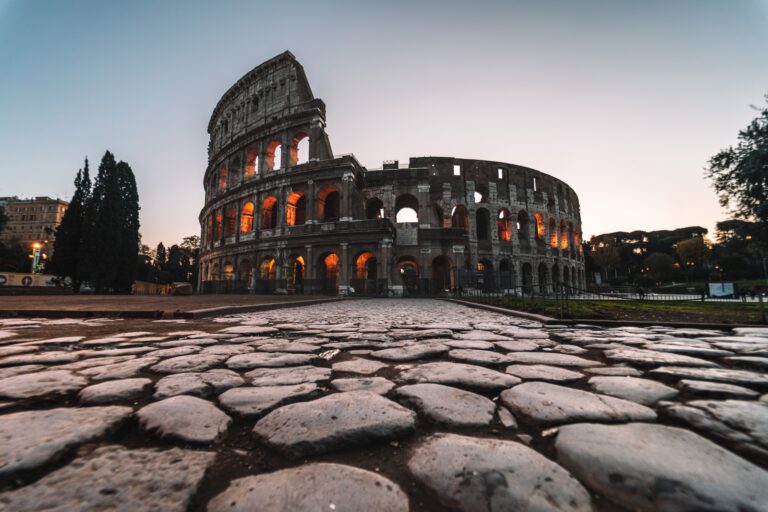
Start your walking tour with a visit to the iconic Colosseum, one of Rome’s most famous landmarks. As you approach this colossal amphitheater, you’ll be transported back to the days of gladiators and grand spectacles. Consider taking a guided tour to learn more about the history and stories of this remarkable structure.

Just a short walk from the Colosseum lies the Roman Forum, a sprawling ancient complex where you can wander among the ruins of temples, basilicas, and government buildings. Imagine the hustle and bustle of daily life in ancient Rome as you explore this archaeological wonder.

The Palatine Hill: Where Rome’s History Began

Climb the Palatine Hill, one of the seven hills of Rome, and you’ll find yourself in the place where Rome’s history truly began. According to legend, it was on this hill that the city was founded by Romulus and Remus. From here, you’ll enjoy breathtaking views of the Roman Forum and the Circus Maximus.

The Capitoline Hill: Michelangelo’s Square

The Capitoline Hill, designed by Michelangelo, is home to a magnificent square, Piazza del Campidoglio. The square is adorned with statues and features an impressive staircase designed by the Renaissance master himself. It’s a beautiful spot to take a break, admire the stunning surroundings, and capture memorable photos.

The Pantheon: A Marvel of Roman Engineering

Stroll through the historic city center and arrive at the Pantheon, a true marvel of Roman engineering. This ancient temple, now a church, boasts the largest unreinforced concrete dome in the world. Marvel at the oculus, an open hole in the center of the dome, which allows sunlight and rain to filter into the temple.

Piazza Navona: Art and Architecture

Continue your walk to Piazza Navona, a lively square that showcases exquisite Baroque architecture. Admire the Fountain of the Four Rivers, designed by the renowned artist Gian Lorenzo Bernini. This square is a hub of art and culture, featuring street artists, musicians, and charming cafes where you can take a leisurely break.

Trevi Fountain: Toss a Coin for Luck

No visit to Rome is complete without tossing a coin into the Trevi Fountain. Legend has it that if you throw a coin with your right hand over your left shoulder into the fountain, you’ll ensure your return to Rome. It’s a must-see attraction, and the fountain’s beauty at night is truly enchanting.

Spanish Steps: A Stylish Staircase

Wander to the Spanish Steps, a famous gathering place and staircase of 135 steps adorned with colorful flowers. At the base of the steps, you’ll find the Barcaccia Fountain, another beautiful work by the Bernini family.

Piazza di Spagna and the Keats-Shelley House: Literary History

Stroll through Piazza di Spagna and visit the Keats-Shelley House, a museum dedicated to the Romantic poets John Keats and Percy Bysshe Shelley. The house is a testament to the city’s historic connection to famous artists and writers from around the world.

Trastevere: The Charming Old Town

Cross the Tiber River and enter Trastevere, one of Rome’s most picturesque neighborhoods. Its narrow cobblestone streets, medieval buildings, and vibrant atmosphere provide a glimpse into the heart of old Rome. Explore the Basilica of Santa Maria in Trastevere and indulge in traditional Roman cuisine at one of the neighborhood’s cozy trattorias.

The Vatican City: Religious and Cultural Icon

Continue your walk to the Vatican City, the world’s smallest independent state, where you can explore St. Peter’s Square and St. Peter’s Basilica. Witness Michelangelo’s stunning masterpiece, the Sistine Chapel, and the Vatican Museums, home to an unparalleled collection of art and historical artifacts.

Aventine Hill: Keyhole View and Garden of Oranges

Climb the Aventine Hill to discover two hidden gems. First, peer through the famous keyhole of the Priory of the Knights of Malta, which offers a unique view of St. Peter’s Basilica framed by neatly trimmed hedges. Then, visit the Garden of Oranges (Giardino degli Aranci) for panoramic views of Rome and a serene setting to end your journey through the city.

In Conclusion: An Unforgettable Walking Tour

Exploring Rome on foot is an incredible journey through history, art, and culture. From ancient wonders like the Colosseum and the Roman Forum to the beauty of the Spanish Steps and Trastevere’s charming streets, every step offers a new discovery. With each turn, you’ll uncover the rich tapestry of Rome’s past and present, leaving you with unforgettable memories and a deep appreciation for the Eternal City. So, lace up your walking shoes and embark on this incredible adventure through Rome’s timeless streets.

India’s Stunning Landscapes: 5 Breathtaking Natural Wonders

0

India, known for its cultural diversity and rich heritage, also boasts an incredible tapestry of landscapes that range from the soaring peaks of the Himalayas to the lush, tropical shores of the Indian Ocean. In this article, we’ll take you on a journey through five of India’s most breathtaking natural wonders, each with its unique charm and allure.

1. The Majestic Himalayas:

India’s northern frontier is dominated by the awe-inspiring Himalayan mountain range, home to some of the world’s highest peaks. Among these, the mighty Himalayas include the towering Mount Everest, which can be observed from the Indian state of Sikkim. The snow-capped peaks, pristine alpine meadows, and dense forests make this region a haven for trekkers and nature enthusiasts.

The enchanting towns of Manali, Shimla, and Dharamshala are surrounded by lush forests, glistening rivers, and picturesque valleys. In Himachal Pradesh, the Rohtang Pass offers breathtaking views, while Leh-Ladakh, in Jammu and Kashmir, is renowned for its stark, otherworldly landscapes.

2. The Enigmatic Western Ghats:

The Western Ghats, a UNESCO World Heritage Site, stretches along the western coast of India and offers a unique blend of rich biodiversity and stunning landscapes. The Ghats are a paradise for those who appreciate lush greenery, with dense forests, cascading waterfalls, and serene backwaters.

One of the most famous attractions in the Western Ghats is Munnar, a hill station in Kerala, where tea plantations blanket the rolling hills. The dense rainforests of the Silent Valley National Park and the wildlife sanctuaries of Karnataka and Goa are ideal for wildlife enthusiasts. Also, don’t miss the Athirapally Falls, often called the “Niagara Falls of India.”

3. The Thar Desert:

On the other end of the spectrum lies the Thar Desert in Rajasthan, a land of endless golden dunes that ripple across the horizon. The desert’s ethereal beauty is punctuated by vibrant, historic cities like Jaisalmer, Jodhpur, and Bikaner, where ornate palaces, magnificent forts, and vibrant markets offer a striking contrast to the arid surroundings.

Experience the desert’s magic by taking a camel safari through the dunes, camping under the starlit skies, and witnessing the glorious sunset and sunrise over the endless sands. The golden sand dunes of Sam and Khuri near Jaisalmer are particularly popular for these unique experiences.

4. The Backwaters of Kerala:

The backwaters of Kerala are a world apart from the bustling cities and rugged terrains of India. These serene, interconnected waterways offer a tranquil escape into a world of lush green paddy fields, swaying coconut palms, and meandering lagoons. Floating on a traditional houseboat, you can absorb the natural beauty while relishing traditional South Indian cuisine prepared by skilled chefs onboard.

The town of Alappuzha, also known as Alleppey, is often referred to as the “Venice of the East” due to its intricate network of canals, lakes, and lagoons. It is the perfect base for exploring the backwaters, with the Nehru Trophy Snake Boat Race, held in August, adding an extra layer of cultural experience.

5. The Andaman and Nicobar Islands:

Located in the Bay of Bengal, the Andaman and Nicobar Islands are a tropical paradise that remains relatively untouched. With their stunning white-sand beaches, crystal-clear waters, and thriving coral reefs, these islands are a diver’s dream and a nature enthusiast’s delight.

Havelock Island, known as Swaraj Island, is famous for Radhanagar Beach, consistently ranked among the best beaches in Asia. Neil Island, with its serene atmosphere and natural beauty, is perfect for relaxation. Explore the underwater world through scuba diving and snorkeling, where you’ll encounter vibrant coral gardens and a wide variety of marine life, including sea turtles, manta rays, and reef sharks.

In Conclusion: India’s Natural Wonders

India’s diverse landscapes offer an abundance of natural wonders, each with its unique appeal. Whether you’re seeking the grandeur of the Himalayas, the serenity of the Western Ghats, the enchantment of the Thar Desert, the tranquility of Kerala’s backwaters, or the tropical paradise of the Andaman and Nicobar Islands, India has something to satisfy every traveler’s wanderlust. These breathtaking landscapes invite you to explore the natural beauty of the subcontinent and immerse yourself in its rich and varied environments, making your journey an unforgettable experience.

Soaring Above the Grand Canyon: Helicopter Tours Unveiled

The Grand Canyon, an awe-inspiring natural wonder, stands as one of the most iconic landscapes in the world. While exploring the canyon from the ground offers a stunning perspective, witnessing it from above, aboard a helicopter, unveils an entirely new dimension of its breathtaking beauty. In this article, we’ll take you on an aerial adventure above the Grand Canyon, revealing the unparalleled sights and experiences that await.

1. Grand Canyon’s Vastness:

The Grand Canyon is an immense chasm carved by the Colorado River over millions of years. It stretches for approximately 277 miles (446 kilometers), with an average depth of about one mile (1.6 kilometers). From the rim, the vastness of the canyon is evident, but only from above can one truly grasp the full magnitude of this natural wonder.

Aboard a helicopter, as you hover over the canyon’s depths, you’ll gain a unique perspective on its immense size and the intricate network of rugged gorges, plateaus, and ridges. You’ll be captivated by the sheer enormity of the canyon and how it appears to stretch endlessly across the Arizona landscape.

2. Painted Desert and Vermilion Cliffs:

Beyond the Grand Canyon itself, helicopter tours often offer glimpses of the surrounding natural beauty. As you soar above the canyon, you’ll have the opportunity to witness the striking colors of the Painted Desert and the Vermilion Cliffs.

The Painted Desert earned its name from the various shades of red, orange, and lavender found in the sedimentary rocks. From the air, these colors come to life, creating a stunning palette of natural hues. The Vermilion Cliffs, on the other hand, reveal towering, vibrant red rock formations and eroded canyons, adding to the surreal beauty of the region.

3. Towering Plateaus and Hidden Waterfalls:

The Grand Canyon is not just a deep abyss, but also a place of towering plateaus, hidden waterfalls, and geological wonders. A helicopter tour allows you to witness these features up close and personal.

As you hover over the canyon, you’ll glimpse some of the mesmerizing waterfalls that cascade into its depths, like the famous Havasu Falls and Ribbon Falls. You’ll also get a sense of the sprawling plateaus that jut out from the canyon walls, creating breathtaking vistas and vantage points that are difficult to access from the ground.

4. Majestic Colorado River:

The Colorado River is the life force behind the formation of the Grand Canyon, having carved the rock over eons. When you take a helicopter tour, you’ll have the chance to see the river as it winds its way through the canyon’s depths, painting a vivid contrast against the surrounding sandstone and limestone.

The river’s turquoise waters wind through the canyon, occasionally appearing calm and serene, then crashing through challenging rapids. From above, you’ll be able to follow the course of the river as it meanders through the canyon, witnessing the epic journey it has undertaken over countless millennia.

5. Hidden Gems and Secret Side Canyons:

The Grand Canyon is not just one vast expanse but a collection of intricate side canyons, each with its own unique beauty. Many of these side canyons and hidden gems are best appreciated from the air.

Aboard a helicopter, you’ll have the opportunity to explore some of the Grand Canyon’s hidden wonders. The tour guides often share stories and insights about these lesser-known features, like the slot canyons and sacred sites of the Navajo Nation. These captivating detours offer a deeper understanding of the canyon’s cultural and geological history.

6. Spectacular Sunsets and Sunrises:

For an extraordinary experience, consider taking a helicopter tour at sunrise or sunset. These magical moments, when the canyon is bathed in warm, soft light, provide a surreal and unforgettable perspective on this natural masterpiece.

The play of light and shadow on the canyon’s rugged terrain, the deepening colors of the Painted Desert, and the reflective waters of the Colorado River create a visual symphony that can only be fully appreciated from the air. These tours are a perfect way to celebrate a special occasion or to make your visit to the Grand Canyon even more memorable.

In Conclusion: A Grand Perspective from Above

A helicopter tour above the Grand Canyon is a captivating and exhilarating way to explore this natural wonder. Whether you’re looking to grasp the vastness of the canyon, capture the vivid colors of the surrounding landscape, or delve into the hidden secrets of side canyons, an aerial tour offers an unparalleled perspective. As you hover above the Grand Canyon, you’ll gain an appreciation for the scale, complexity, and beauty of this extraordinary place, leaving you with memories that will last a lifetime.

Exploring Croatia: Five Enchanting Towns You Shouldn’t Miss

0

Croatia, with its stunning Adriatic coastline, historic cities, and natural beauty, has rapidly become a must-visit European destination. While the country boasts countless hidden gems, there are five towns that every traveler should include on their Croatian itinerary. From the medieval charm of Dubrovnik to the picturesque allure of Rovinj, let’s explore the reasons these towns should be at the top of your list.

1. Dubrovnik: The Pearl of the Adriatic

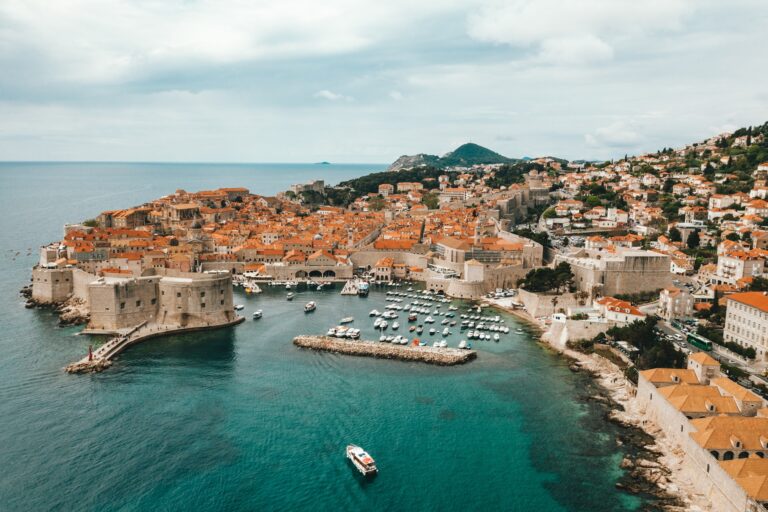
Known as the “Pearl of the Adriatic,” Dubrovnik is a breathtaking town in southern Croatia that has captivated travelers for centuries. Encircled by towering stone walls, this well-preserved medieval city offers a glimpse into a bygone era. Stroll along the ancient city walls and admire the panoramic views of the Adriatic Sea, explore the cobblestone streets of the Old Town, and visit historical sites like the Rector’s Palace and the Franciscan Monastery.

One of the most iconic spots in Dubrovnik is the Stradun, the city’s main street, lined with charming cafes, shops, and Baroque buildings. The town also offers opportunities to relax on beautiful beaches, such as Banje Beach, and to enjoy a variety of water sports.

2. Split: The Heart of Dalmatia

Split, the largest city on the Adriatic coast, is an intriguing blend of history, culture, and modern life. At its heart lies Diocletian’s Palace, a UNESCO World Heritage Site, constructed by the Roman Emperor Diocletian in the 4th century. Wander through its narrow streets and you’ll encounter an array of shops, restaurants, and even apartments that have been seamlessly incorporated into the ancient palace walls.

The city’s vibrant life centers around the Peristyle, a grand colonnaded courtyard. Nearby, the Cathedral of Saint Domnius and its bell tower provide panoramic views of the city and the Adriatic. Split’s waterfront promenade, the Riva, is a lively place to enjoy the sea breeze, dine at local restaurants, or catch a boat to the nearby islands.

3. Hvar: The Lavender-Infused Gem

Hvar, often called the “Queen of the Dalmatian Islands,” is a place where historical charm and natural beauty converge. The town of Hvar, located on the island of the same name, is a haven of lavender fields, Venetian architecture, and a glamorous nightlife scene.

Begin your exploration at the Hvar Fortress, which offers commanding views of the town, the harbor, and the Pakleni Islands. Wander through the town’s narrow streets and visit the St. Stephen’s Cathedral and the Franciscan Monastery. In the evening, Hvar transforms into a nightlife paradise with beach clubs, bars, and cafes that keep the party going until dawn.

4. Rovinj: Istria’s Romantic Gem

Rovinj, situated on the Istrian Peninsula in the northwest of Croatia, is a town that exudes romance and charm. Its old town is perched on a small, hilly peninsula that juts into the Adriatic Sea, making it a picturesque spot for travelers. Cobblestone streets wind their way up to the Church of St. Euphemia, whose bell tower offers panoramic views of the town and the archipelago.

Rovinj’s harbor, with its fishing boats and waterfront cafes, is the perfect place to savor fresh seafood and local wines. The town’s artistic community is also celebrated, and you can explore the works of local artists in the Grisia Art Gallery, as well as experience the annual Grisia Art Exhibition in the summer.

5. Plitvice Lakes National Park: Nature’s Paradise

While not a traditional town, Plitvice Lakes National Park is a natural wonder that deserves a place on this list. Nestled in central Croatia, this national park is a testament to nature’s artistry. Sixteen interconnected terraced lakes, nestled within lush forests, create a stunning tapestry of waterfalls, cascades, and crystal-clear pools.

Visitors can explore the park via a network of well-maintained wooden walkways and hiking trails. The park’s vibrant flora and fauna, including resident brown bears and various bird species, provide a unique opportunity for nature enthusiasts. Plitvice Lakes National Park is a UNESCO World Heritage Site and a testament to the ecological diversity that Croatia has to offer.

In Conclusion: Exploring Croatia’s Treasures

Croatia’s beauty and diversity extend beyond these five towns and natural wonders, but they are undoubtedly some of the most enchanting places the country has to offer. Whether you’re drawn to the medieval charm of Dubrovnik, the Roman history of Split, the lavender fields of Hvar, the romance of Rovinj, or the natural wonder of Plitvice Lakes, Croatia has a myriad of treasures to explore. Each of these towns and locations embodies the unique essence of this captivating country, offering an unforgettable travel experience for all who visit. So, pack your bags and embark on an unforgettable journey to explore these Croatian gems.

Santorini: A Mythical Paradise in the Aegean

Santorini, often referred to as Thira, is an enchanting Greek island nestled in the heart of the Aegean Sea. Renowned for its stunning sunsets, dramatic cliffs, and picturesque white-washed buildings, Santorini stands as a beacon of beauty and mystique in the Mediterranean. In this article, we will explore the captivating allure of Santorini, from its unique geological history to its rich cultural heritage and its status as one of the world’s most sought-after travel destinations.

The Geological Wonder:

Santorini’s origin is a geological marvel in itself. The island is part of a circular archipelago created by the remnants of a colossal volcanic eruption around 3,600 years ago. Known as the Minoan eruption, it is often considered one of the most significant volcanic events in human history. The eruption left behind a caldera – a large, submerged volcanic crater – which eventually became the present-day Santorini. The result is a unique topography that sets Santorini apart from other Greek islands.

Caldera Views and Spectacular Sunsets:

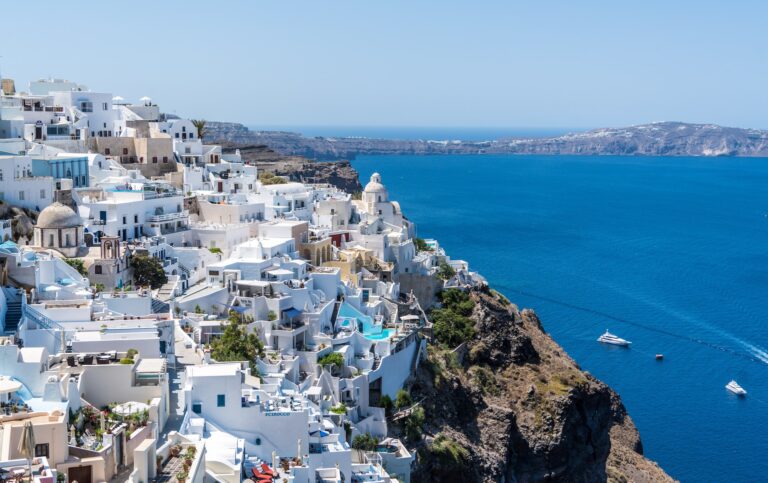
One of the most iconic features of Santorini is its breathtaking caldera views. The island’s settlements, including the capital, Fira, cling to the cliffs overlooking the caldera, offering a visual feast of deep blue waters, multi-colored cliffs, and whitewashed buildings with cobalt blue domes. These views are especially magical during sunset, drawing visitors from around the world to witness the sun’s descent into the Aegean Sea. The sunset views from Oia, a charming village on the island’s northern tip, are particularly renowned, making it a prime spot for romantics and photographers alike.

Cycladic Architecture and Aesthetics:

The traditional Cycladic architecture of Santorini is another captivating aspect of the island’s charm. The characteristic white-washed buildings with contrasting blue domes and shutters create a visually striking, almost surreal landscape. This architectural style is not merely for aesthetics but serves a practical purpose by reflecting the sun’s scorching heat. The winding, narrow streets of villages like Oia and Fira are an invitation to explore the island’s unique aesthetic, with picturesque shops, boutiques, and charming cafes lining the cobblestone streets.

Exploring Santorini’s Villages:

Beyond its picturesque exterior, Santorini boasts a plethora of charming villages and towns, each with its own distinct character. Fira, the capital, offers a mix of cosmopolitan life, shopping, and vibrant nightlife. Oia, as mentioned earlier, is the ultimate spot for sunsets and is famous for its art galleries and romantic atmosphere. Imerovigli, often referred to as the “balcony to the Aegean,” provides panoramic views and a sense of tranquility. Kamari and Perissa offer beautiful black sand beaches, perfect for relaxation and water sports. Each village on Santorini tells a unique story, and exploring them is a delightful adventure in itself.

Cultural Heritage and Archaeological Sites:

Santorini isn’t just about stunning scenery; it’s also a treasure trove of history and culture. The ancient city of Akrotiri, often dubbed the “Minoan Pompeii,” is an archaeological site showcasing the remnants of an advanced Minoan settlement buried beneath volcanic ash during the eruption. This site provides invaluable insights into the civilization of the time, which was among the most advanced in the Bronze Age Mediterranean.

The island is also home to several churches and monasteries, each with its own history and religious significance. The Monastery of Panagia Episkopi, dating back to the 11th century, is one of the most revered on the island, boasting Byzantine-era frescoes and remarkable architecture.

The Gastronomic Delights of Santorini:

Greek cuisine is celebrated around the world, and Santorini doesn’t disappoint when it comes to culinary delights. The island’s fertile volcanic soil yields unique produce, resulting in delicious local dishes. Don’t miss out on traditional Greek mezes, fresh seafood, and dishes such as “santorinio savoro” (marinated fish), “fava” (a yellow split pea puree), and “katsouni” (small local cucumbers).

Additionally, Santorini is famous for its indigenous wines, especially the Assyrtiko grape variety. The island’s vineyards, some of which are set amidst the rugged landscape of the caldera, produce exceptional wines with distinct mineral and citrus notes. A wine tour is an excellent way to explore both the flavors and the unique viticulture of the island.

The Allure of Santorini Today:

Santorini has become a beloved destination for honeymooners, travelers seeking the quintessential Greek experience, and those who appreciate natural beauty and cultural richness. The island accommodates a wide range of visitors, from luxury travelers seeking upscale resorts to backpackers exploring the world on a budget. The warm hospitality of the locals and the island’s incredible diversity ensure that there’s something for everyone on Santorini.

In conclusion, Santorini, with its mesmerizing landscape, geological history, and cultural significance, stands as an alluring destination in the Aegean. As you watch the sun dip below the horizon from a cliffside cafe in Oia or savor the local cuisine in a charming taverna, you’ll understand why Santorini is hailed as a mythical paradise that continues to captivate travelers from around the globe.

Top 5 South African Winter Attractions

South Africa is a diverse and captivating destination year-round, and its beauty truly shines during the winter months. From snowy mountains to mild coastal regions, South Africa offers a wide range of winter experiences for travelers. In this article, we’ll explore the top five attractions in South Africa that are perfect for a winter getaway.

1. Drakensberg Mountains: A Winter Wonderland

The Drakensberg Mountains, located in KwaZulu-Natal and the Eastern Cape, are a breathtaking winter destination. During the colder months, these rugged peaks are often dusted with snow, creating a winter wonderland in a region that’s typically warm and sunny.

The Drakensberg is a haven for outdoor enthusiasts. Hiking trails, horseback riding, and bird watching are popular activities in this pristine wilderness. In winter, you can explore the snow-covered landscapes while taking in panoramic views of the surrounding valleys. The Giant’s Castle Game Reserve offers an opportunity to see the rare Bearded Vulture, a unique bird species that calls this region home.

2. Kruger National Park: Ideal Wildlife Viewing

South Africa’s most famous game reserve, Kruger National Park, is an ideal destination for wildlife enthusiasts year-round. However, winter offers a unique advantage: with the grasslands turning brown and dry, wildlife is easier to spot, as it congregates around waterholes and rivers.

In winter, you’ll have an excellent chance to see the “Big Five” (lion, leopard, elephant, buffalo, and rhinoceros) and numerous other species, including cheetahs, giraffes, and zebras. Morning and evening game drives are the best times to observe the park’s incredible wildlife. As the sun sets and the temperature drops, you can witness some of the most magnificent sunsets over the African savannah.

3. Cape Winelands: Wine Tasting and Cozy Retreats

The Cape Winelands, located near Cape Town, offers a delightful winter experience for wine enthusiasts and those seeking a cozy retreat. This region is home to numerous world-renowned wineries that produce some of South Africa’s finest wines.

In the colder months, the vineyards display vibrant colors, and the crisp air creates a wonderful atmosphere for wine tasting. Many wineries have welcoming fireplaces, making them perfect places to enjoy a glass of red wine while gazing at the surrounding landscapes. The towns of Stellenbosch, Franschhoek, and Paarl are also known for their culinary delights, with restaurants offering warm and hearty dishes that pair beautifully with the local wines.

4. Golden Gate Highlands National Park: Unique Winter Scenery

The Golden Gate Highlands National Park, situated in the Free State Province, offers a unique winter landscape. The park is named after the golden-hued cliffs that shine even brighter in the winter sun. With the arrival of winter, the high-altitude grasslands turn a beautiful golden color.

The park is a great place for hikers and nature lovers. Its trails meander through dramatic sandstone formations and lead to viewpoints with stunning vistas. In the crisp winter air, you can admire the park’s rich birdlife, including the rare bearded vulture, as well as antelope, zebras, and wildebeests. The clean and dry winter air ensures fantastic visibility, making it a prime location for stargazing.

5. Garden Route: A Coastal Winter Escape

If you’re looking for a milder winter experience, the Garden Route on the Western Cape is an excellent choice. This coastal stretch is famous for its lush forests, pristine beaches, and charming towns, and it offers a pleasant winter escape.

In the winter months, the Garden Route enjoys a mild climate, perfect for outdoor activities like hiking, wildlife viewing, and birdwatching. Visit the Tsitsikamma National Park for its stunning coastal scenery, or explore the Knysna Forest, home to ancient yellowwood trees. The towns along the route, such as Knysna and Plettenberg Bay, offer cozy accommodation options and a variety of restaurants where you can savor delicious seafood and regional cuisine.

In Conclusion: South Africa’s Winter Wonders

South Africa’s diverse landscape and mild winter weather make it a delightful destination for travelers seeking a unique winter experience. Whether you prefer snowy mountains, wildlife safaris, wine tastings, stunning vistas, or coastal escapes, South Africa has something to offer every traveler during the colder months. Embrace the crisp air, clear skies, and cozy moments that winter in South Africa provides, and make the most of your winter escape in this captivating country.

Malta: A Gem in the Heart of the Mediterranean

Nestled in the azure waters of the Mediterranean, Malta is a tiny yet vibrant archipelago that punches well above its weight in terms of history, culture, and natural beauty. With a rich tapestry of historical influences, stunning landscapes, and a warm, welcoming people, Malta is a destination that offers something for everyone.

A Rich Tapestry of History:

Malta’s history stretches back thousands of years. The islands have been inhabited since the Neolithic period, and their strategic location has made them a crossroads for various civilizations. Phoenicians, Romans, Arabs, Normans, and Knights of St. John have all left their mark on the islands. Perhaps the most famous event in Maltese history is the Great Siege of Malta in 1565 when the Knights of St. John successfully defended the island against the Ottoman Empire. The legacy of these events can be explored in the well-preserved historical sites, such as the ancient megalithic temples of Ħaġar Qim and Mnajdra, and the stunning walled city of Valletta, a UNESCO World Heritage Site.

Breathtaking Natural Beauty:

Malta’s landscapes are as diverse as they are stunning. The islands offer picturesque cliffs, hidden coves, and clear blue waters that are a paradise for sun-seekers and water sports enthusiasts. The Blue Grotto, a series of caves and caverns on the south coast of Malta, is a must-visit attraction, offering mesmerizing azure waters and dramatic rock formations. Gozo, the second-largest island in the archipelago, is a haven for hikers and nature lovers, with its lush countryside, rugged coastline, and the famous Azure Window, a natural rock formation that once adorned many postcards but sadly collapsed in 2017.

Cultural Heritage:

Malta’s culture is a fusion of Mediterranean, European, and North African influences. The Maltese language, a unique blend of Semitic and Romance languages, reflects this rich history. The islands also have a vibrant arts scene, with numerous galleries, theaters, and music festivals throughout the year. Malta is particularly renowned for its traditional festas, religious celebrations marked by parades, fireworks, and intricate decorations that honor local patron saints.

Warm and Hospitable People:

One of Malta’s most endearing qualities is its people. The Maltese are known for their warmth and hospitality, and visitors often find themselves welcomed with open arms. English is widely spoken and understood, making it easy for travelers to navigate the islands and engage with locals.

Cuisine and Gastronomy:

Malta’s cuisine is a reflection of its history and geography. Influenced by Italian, North African, and British flavors, Maltese dishes feature an array of fresh seafood, olives, sun-ripened tomatoes, and delicious pastries. Traditional dishes such as rabbit stew (fenkata) and pastizzi (savory pastries filled with ricotta or peas) offer a taste of local authenticity.

A Mediterranean Paradise for All:

Despite its small size, Malta offers a diverse range of experiences for all types of travelers. Whether you’re interested in history and culture, outdoor adventures, or simply relaxing on a sun-drenched beach, this Mediterranean gem has something to offer. The islands’ accessibility, English-speaking population, and warm climate make Malta an ideal destination year-round.

In conclusion, Malta is a captivating destination that transcends its diminutive size. With its rich history, stunning natural beauty, warm people, and unique culture, it’s no wonder that Malta has become a must-visit location for travelers seeking an unforgettable Mediterranean experience. So, whether you’re exploring ancient ruins, diving into crystal-clear waters, or savoring mouthwatering local cuisine, Malta has it all, packed into its small but enchanting islands.